China Top 10 Medical Supplies Manufacturers for Global Buyers
Sourcing Medical Supplies across borders is rarely just a price comparison. Global buyers must weigh product quality, manufacturing capacity, documentation, delivery reliability, and communication. A supplier may offer a broad catalog, yet the best fit can depend on a small detail: material consistency, packaging options, or dependable lead times. Details matter.
This guide introduces ten Chinese manufacturers serving international buyers, with attention to their product ranges and potential sourcing strengths. It also outlines practical points to check, including quality-management systems, product specifications, traceability, production arrangements, and export experience. Certifications and documents should be reviewed directly with each supplier. Their current scope and relevance can vary by product and destination market.
A list is only a starting point. Even an experienced buyer cannot judge factory performance from a website or catalog alone. Request current documents, clarify sample and inspection processes, and compare written quotations on equal terms. Ask specific questions about materials, packaging, minimum order quantities, and production schedules. The answers can reveal gaps that a polished presentation may hide. This overview cannot replace independent due diligence, and no single ranking fits every purchasing need. Some useful details may change over time. Use the profiles to narrow your options, then verify each manufacturer’s capabilities against your requirements before making a sourcing decision.

Medical Supplies Manufacturing in China: Industry Scope and Product Categories
Medical Supplies Manufacturing in China: Industry Scope and Product Categories
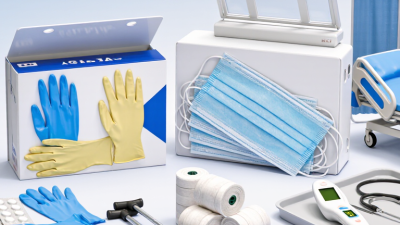
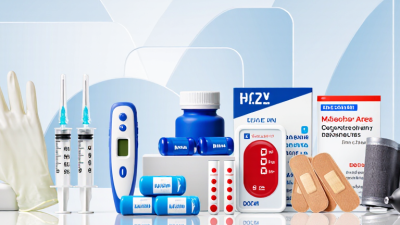
China’s medical supplies sector covers a wide range of products, from everyday clinic consumables to equipment used in hospitals and care facilities. Common categories include examination gloves, masks, gowns, wound dressings, syringes, specimen containers, and basic diagnostic accessories. Some manufacturers focus on a single product family; others coordinate molding, textile production, assembly, and packaging across several lines. The scope can be broad. That does not mean every supplier makes every item.
Production often combines specialized steps. A wound dressing may involve material selection, cutting, clean handling, sealing, and batch labeling. For molded supplies, buyers may need to review dimensions, material specifications, packaging integrity, and sample consistency. Manufacturing capability is only part of the picture. Documentation, traceability, and quality controls also matter, and requirements can differ by product and destination market.
For global buyers, clear product definitions make supplier discussions more useful. Specify intended use, materials, sizes, packaging units, and inspection criteria before requesting quotations. Ask how production lots are identified and how defects are recorded. A sample can look excellent, yet repeat orders may vary. That is an uncomfortable possibility, but worth checking through documented testing and inspections. Even simple products deserve careful review.
China Top 10 Medical Supplies Manufacturers for Global Buyers
Medical Supplies Manufacturing in China: Industry Scope and Product Categories
The chart counts representative product types listed for each category to illustrate the breadth of medical supplies manufacturing. These counts are illustrative—not estimates of market size, production volume, or market share.
Criteria for Selecting the Top 10 Manufacturers
Criteria for Selecting the Top 10 Manufacturers
A credible shortlist starts with evidence, not polished brochures. Check whether a manufacturer maintains an ISO 13485 quality management system, then verify its certificate scope, issuing body, and validity directly. The ISO Survey of Management System Standard Certifications tracks ISO 13485 certifications by country, but a certificate alone cannot prove consistent product quality. Request recent audit findings, batch records, and test reports for the exact products under consideration. Ask how staff handle production changes and trace materials from incoming inspection to shipment. Small details matter.
Regulatory readiness needs equal scrutiny. The World Health Organization’s Global Model Regulatory Framework for Medical Devices outlines core controls, including registration, surveillance, and quality management. Compare a supplier’s documented procedures with the requirements of your destination market, and confirm that product claims match the evidence supplied. Check complaint handling and recall processes, too. A neat document folder is not enough.
Capacity and delivery should be tested with practical questions: What is the current lead time? How are shortages communicated? Can the factory provide a sample shipment history? The World Bank’s 2023 Logistics Performance Index ranked China 19th among 139 economies; this is useful context, not a guarantee of any factory’s performance. We still need supplier-specific proof. Ask for references, inspect records, and note unanswered questions. Some gaps deserve a second look.
Profiles of 10 Chinese Medical Supplies Manufacturers
China’s medical supplies sector includes manufacturers with very different strengths. One profile focuses on examination gloves, with production lines for disposable products and routine batch checks. Another makes protective masks, where buyers should examine filtration data and fit-test methods. A third produces gauze and wound dressings, often in several sizes and pack formats. A fourth specializes in nonwoven gowns and drapes. Details matter.
A fifth manufacturer profile centers on syringes and other injection consumables, where dimensional consistency and clear lot records are important. A sixth supplies medical tubing and drainage products, requiring careful checks of material specifications. A seventh makes diagnostic consumables, such as sample containers and test accessories. An eighth produces sterilization pouches and wraps; seal strength deserves close review. These are distinct capabilities, not interchangeable claims.
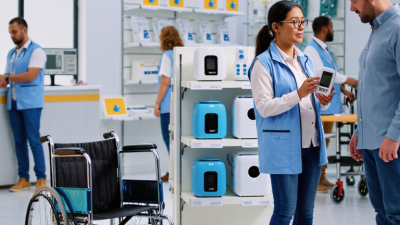
The remaining profiles cover hospital beds and patient-care furniture, mobility aids, and rehabilitation equipment. Their value depends on practical details, including load ratings, wheel stability, and access to replacement parts. These examples describe supplier types, not independently audited companies. Buyers should request current certificates, production samples, and traceable quality records. A polished catalog is not enough. Some factories may have limited customization or slow communication, and that should be checked before a large order.
Certifications, Quality Control, and Export Capabilities
For buyers assessing China’s leading medical supplies manufacturers, certification is a starting point, not a guarantee. The ISO Survey of Management System Standard Certifications (2022) recorded more than 30,000 ISO 13485 certificates worldwide. Ask suppliers for a current certificate and confirm its scope, manufacturing site, and covered product categories. Check the details. A certificate alone cannot show how consistently a factory handles defects. Request sample inspection records, batch traceability, corrective-action logs, and evidence that quality checks happen during production, not only before shipment.
Export readiness shows up in practical details. UNCTAD’s Review of Maritime Transport 2023 reports that over 80% of world merchandise trade by volume travels by sea. For buyers, that makes packaging, shipment planning, and document accuracy important parts of supplier evaluation. Ask for clear packing lists, production and expiry dates where applicable, and shipment records that match the order. For sterile products, review relevant sterilization and packaging validation documents. A tidy file is useful, but it may still hide a weak process; compare records with a factory audit and a sample order before scaling purchases.
How Global Buyers Compare and Verify Suppliers
Global buyers should compare medical supplies on evidence, not polished catalogs. Start with the exact product specification, intended use, materials, packaging, and shelf life. Then request current quality-system certificates, product test reports, and traceable batch records. Check that certificate scopes match the product and manufacturing site; a certificate alone does not prove every item meets your requirements. WHO’s 2022 Global report on medical devices highlights the importance of access to safe, appropriate devices and effective regulatory systems.
Tips: Ask for a recent sample and inspect its label, seal, dimensions, and instructions. Match the sample to the written specification. Keep dated records of questions and answers.
Delivery matters, too. The World Bank’s 2023 Logistics Performance Index compares 139 economies across six dimensions, including customs, tracking, and timeliness. Use these factors to assess shipping plans, but verify actual lead times with shipment records. Ask suppliers how they handle delays, shortages, and changes to production lots. A neat audit file can still miss a real-world problem; sometimes buyers need to check details twice, even when the paperwork looks complete.