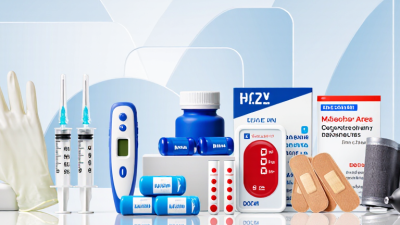
What Are the Best Medical Products from China?
China has become a major source of Medical Products, from diagnostic imaging systems to wound-care supplies and hospital furniture. The World Health Organization estimates more than two million medical devices exist worldwide, across over 7,000 generic groups. This scale makes product selection difficult. It also makes careful evidence essential.
China’s National Medical Products Administration reported continued growth in registered medical devices during its 2023 annual review. The report highlights a broad domestic manufacturing base, including increasingly sophisticated Class II and Class III devices. Meanwhile, the International Trade Centre’s Trade Map data shows China remains a significant exporter of medical and pharmaceutical goods. These figures indicate industrial capacity, not automatic product superiority. That distinction matters.
Quality depends on more than a factory photograph. Buyers should examine NMPA registration, ISO 13485 certification, clinical evidence, electrical safety reports, traceability, and after-sales service. A hospital trolley may look simple, yet its wheel quality, braking system, surface coating, and cleaning compatibility affect daily safety. A diagnostic device requires even closer scrutiny, including calibration records and software controls.
The strongest Chinese Medical Products usually combine regulatory compliance, stable manufacturing, and practical usability. Some suppliers do this exceptionally well. Others still provide incomplete technical files or optimistic performance claims. That gap deserves attention.
This guide compares product categories using regulatory expectations, independent industry data, and real purchasing considerations. It does not treat low price as proof of value. Instead, it asks a harder question: which products can deliver dependable performance when patients and clinicians rely on them?
Major Categories of Medical Products Manufactured in China
What Are the Best Medical Products from China?
Major Categories of Medical Products Manufactured in China
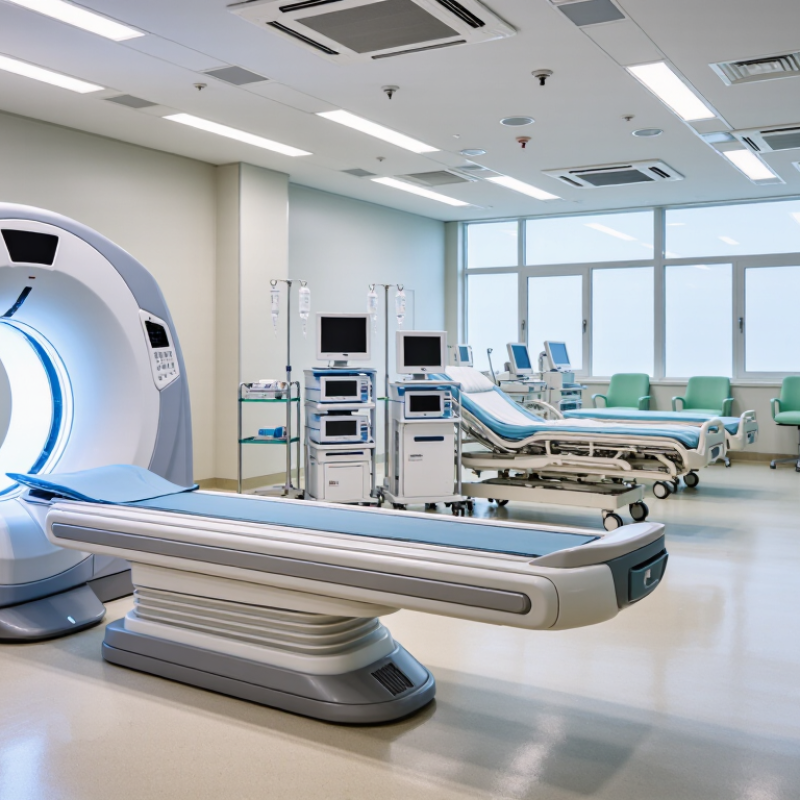
China manufactures a wide range of medical products for hospitals, clinics, laboratories, and home care. Common categories include diagnostic equipment, patient monitors, imaging systems, surgical instruments, and laboratory supplies. Manufacturers also produce examination tables, infusion equipment, rehabilitation devices, and protective consumables.
Diagnostic products often include blood analysis systems, rapid testing kits, ultrasound equipment, and digital thermometers. Patient monitoring products may track oxygen saturation, blood pressure, temperature, and heart rhythm. Surgical categories include stainless steel instruments, operating lights, sterilization equipment, and disposable procedure supplies. Quality depends on design control, material selection, and production discipline.
It is not enough to compare prices. A reliable buyer should review quality certificates, product testing records, traceability procedures, and after-sales support. Regulatory approval must match the destination market. Small details matter, such as readable labels, sealed packaging, and stable calibration.
The picture is not perfect. Some suppliers may present impressive samples but provide weaker production batches. Independent inspection can reveal this gap. Clear technical specifications also prevent confusion between similar products. In practice, the best medical product is not always the most advanced one. It should fit the clinical task, user training, maintenance capacity, and local safety requirements. Mistakes still happen, especially when buyers rely on photographs instead of verified evidence.
Leading Chinese Medical Products for Hospitals and Clinics
Chinese medical products are increasingly used in hospitals and clinics because they combine practical design with competitive purchasing costs. Common choices include multiparameter patient monitors, ultrasound systems, infusion pumps, hospital beds, surgical lights, and emergency carts. These products support daily diagnosis, treatment, and patient care across different departments.
Patient monitors are valuable in emergency rooms and recovery areas. Clear displays can show oxygen saturation, blood pressure, pulse rate, and temperature. Ultrasound systems with portable designs help clinicians examine patients near the bedside. Infusion pumps need accurate flow control, simple alarms, and easy cleaning. In busy wards, small details matter. A wheel lock that holds firmly can prevent avoidable movement.
Hospitals should assess more than appearance or price. Buyers need to check clinical performance, electrical safety, user training, maintenance access, and required local registration. Manufacturing quality systems, inspection records, and responsive technical support also deserve close review. I have found that product demonstrations often reveal practical weaknesses. Menus may feel slow. Cables may be too short. No device is perfect, and staff feedback should influence the final decision. Chinese suppliers can offer useful hospital equipment, but reliable performance depends on proper evaluation, installation, calibration, and continuous service.
Quality Standards and Safety Regulations for Chinese Medical Products
What Are the Best Medical Products from China?
Quality begins with classification, not advertising. Chinese medical devices should match their risk category and follow applicable National Medical Products Administration requirements. Manufacturers should maintain a documented quality system, often aligned with ISO 13485. Product files should include design controls, risk analysis, performance testing, and clinical evidence when required. Local standards may also apply.
Look closely at the physical details. A sterile package should have an intact seal, readable lot number, and clear expiration date. Instructions should explain storage, cleaning, warnings, and disposal in understandable language. For imported products, translated labels must match the approved documentation. Ask for batch records, test reports, calibration logs, and traceability procedures. A factory audit should inspect incoming materials, clean areas, assembly lines, and complaint handling.
Certificates help, but they are not proof alone. Independent testing can reveal problems that paperwork misses. Keep samples from every shipment. Record temperature and humidity during transport when the product requires it. Review adverse-event reporting and recall procedures before purchase. Even experienced buyers can overlook a small labeling mismatch. That deserves a second review. Safety is not a single document; it is a repeated process involving suppliers, regulators, clinicians, and users.
Medical Device Risk Classification in China
China classifies medical devices into Class I, Class II, and Class III according to potential risk. The chart uses an ordinal risk index: Class I represents the lowest risk and Class III the highest. Class I devices generally follow a filing process, while Class II and Class III devices require registration and progressively stronger evidence, quality controls, and post-market safety monitoring. Products should also comply with applicable Chinese medical-device regulations and quality-management requirements such as ISO 13485.
How to Evaluate and Select Medical Products from China
Selecting the best medical products from China requires evidence, not attractive pricing. Start with the intended use, patient risk, and destination-country regulations. Check the manufacturer’s quality certificate, NMPA registration where applicable, ISO 13485 certification, and product-specific test reports. These documents should match the exact model and production site. A generic certificate is not enough.
WHO estimates that one in ten medical products in low- and middle-income countries is substandard or falsified. This makes verification essential. Request samples from the same production line, then inspect packaging, labeling, batch numbers, sterilization indicators, and expiry dates. Confirm that instructions are clear in the required language. Ask for complaint records, corrective-action reports, and post-market surveillance data. A polished catalogue can still hide weak controls.
Tips: Compare at least three qualified suppliers. Audit critical facilities, remotely or in person. Use independent laboratory testing for high-risk devices. Confirm warranty terms, spare parts, calibration support, and delivery records. Do not select a supplier only because it offers the lowest quotation. A low price may reflect efficient manufacturing, but it may also signal missing validation or inconsistent materials. Experienced buyers should review regulatory evidence before negotiating volume. Still, no checklist is perfect; real performance can change between batches. That is why incoming inspection and periodic supplier reassessment remain necessary.
WHO, Global Surveillance and Monitoring System for Substandard and Falsified Medical Products; ISO 13485:2016.
Key Factors Shaping China’s Medical Product Market
What Are the Best Medical Products from China?
China’s strongest medical products are shaped by demand, regulation, engineering capacity, and hospital purchasing behavior. The aging population is a major force. China’s National Bureau of Statistics reported 296.97 million people aged 60 or above in 2023, representing 21.1% of the population. This supports demand for imaging systems, rehabilitation equipment, home monitoring devices, and chronic-care products. However, demand alone does not prove quality.
Regulation is becoming more influential. The National Medical Products Administration reported continued growth in innovative medical device approvals during 2023. Its review system increasingly emphasizes clinical value, technical evidence, and post-market monitoring. Products aligned with ISO 13485 quality systems often provide clearer manufacturing records and risk controls.
In practical procurement, buyers should inspect validation reports, calibration records, complaint handling, and local service capacity. A polished catalog is not enough.
Cost efficiency remains another key factor. China’s dense supplier networks can shorten production cycles and support competitive pricing, especially for diagnostic consumables and routine hospital equipment. Yet lower prices may reflect simplified features, not superior efficiency. The World Health Organization’s Global Atlas of Assistive Technology highlights a worldwide shortage of affordable assistive products, creating room for Chinese manufacturers to improve access. Still, long-term reliability is uneven. Independent testing and transparent clinical data remain essential. The market is advancing, but it is not finished.
Related Posts
-
10 Best Health Supplies for Global Buyers in 2026?
-
Why Is Hospital Equipment Important for Global Buyers?
-

How to Choose the Best Health Supplies for Your Needs?
-
What Are the Best Medical Supplies from China?
-

How to Source Medical Supplies Worldwide in 2026?
-

Unlocking Cost Savings: How Global Procurement of Surgical Supplies Can Transform Healthcare Efficiency