10 Best Health Supplies for Global Buyers in 2026?
The global Health Supplies market is entering 2026 under intense pressure. Buyers face aging populations, climate disruption, product shortages, and stricter quality expectations. A low purchase price no longer proves value.
The World Health Organization and World Bank reported that about 4.5 billion people lacked full access to essential health services in 2021. That gap makes reliable procurement more than a commercial decision. It becomes a public health responsibility. The IQVIA Institute’s Global Use of Medicines 2024 report projects global medicine spending will approach $2.3 trillion by 2028. Medical consumables, diagnostic tools, protective equipment, and home-care products will support this expanding demand. Yet medical supplies are not medicines. Their risks, testing requirements, storage conditions, and user needs can differ sharply.
Dr. Tedros Adhanom Ghebreyesus, Director-General of the WHO, has stated, “Health is a fundamental human right.” His statement gives this buying guide a clear standard: products should be safe, traceable, accessible, and fit for real working environments.
Small details matter. A damaged carton can expose sterile items. A weak temperature log can undermine an entire shipment. A cheaper glove may tear during a critical procedure. These details are easy to underestimate.
This list examines ten Health Supplies categories for global buyers in 2026. It considers quality certifications, supply continuity, lifecycle cost, packaging, usability, and regional conditions. The ranking is not perfect. No universal checklist can replace local clinical judgment, supplier audits, or regulatory review. That limitation deserves attention.
How to Evaluate Health Supplies for Global Buyers in 2026
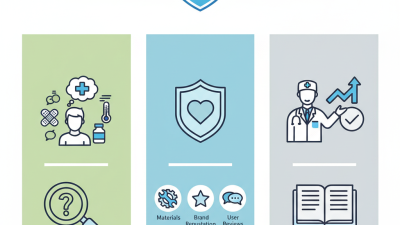
Global buyers should evaluate health supplies through evidence, not attractive catalog photos. Start with intended use, patient risk, and local registration requirements. A disposable mask, diagnostic kit, or wound dressing needs different checks. Confirm the manufacturer’s quality system, test reports, batch number, expiry date, and traceability records. ISO 13485 certification can support review, but it is not proof of every product’s performance.
The World Health Organization estimates that one in ten medical products in low- and middle-income countries is substandard or falsified (WHO, 2017). This makes independent verification essential. Request laboratory results from accredited facilities, then compare them with recognized standards. For temperature-sensitive items, inspect shipping data, packaging indicators, and contingency plans. The World Bank’s Logistics Performance Index 2023 also shows major differences in customs and delivery reliability across markets. A low price can still be expensive.
Tips: Build a simple scorecard covering safety, clinical evidence, regulatory status, shelf life, delivery conditions, and total cost. Check samples before large orders. Speak with hospitals or qualified clinicians in the destination market. Keep every certificate and communication traceable. No checklist is perfect. One weak assumption can affect thousands of patients. Also review supplier performance after delivery, because quality may change between batches. Industry data helps, but local experience remains necessary.
10 Best Health Supplies for Global Buyers in 2026
This buyer-evaluation benchmark ranks essential health-supply categories by demand relevance, public-health impact, storage practicality, regulatory readiness, and supply-chain resilience. The score is a weighted procurement benchmark, not market-share data.
Evaluation framework: demand relevance 25%, public-health impact 25%, storage and logistics practicality 20%, regulatory readiness 15%, and supply continuity 15%. Categories reflect widely recognized priorities in WHO essential-medicine, diagnostic, oxygen, immunization, infection-prevention, and maternal-health guidance.
Ten Essential Personal Protective and Hygiene Supplies
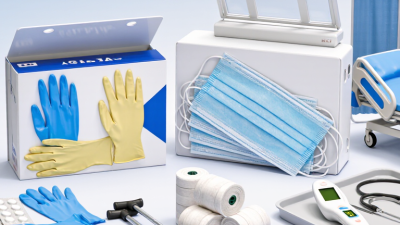
Global health purchasing in 2026 should focus on practical protection, not attractive packaging. Ten essential supplies include medical masks, fit-tested respirators, nitrile gloves, protective gowns, safety goggles, face shields, liquid hand soap, alcohol-based hand sanitizer, disinfectant wipes, and digital thermometers. Each item supports a different risk-control step.
In real workplaces, masks are often stored beside heat or moisture, which reduces their usefulness. Respirators need a proper seal, while loose gloves can tear during cleaning. Goggles should fit comfortably over several hours. Face shields protect against splashes but do not replace masks. Choose gowns with secure cuffs and enough coverage for the task. For hygiene, select sanitizer with clearly listed active ingredients and keep soap near clean running water.
A small supply room taught me an important lesson: quantity does not equal readiness. Boxes may look full, yet expired wipes or missing glove sizes create delays. Check expiry dates, package damage, storage conditions, and worker comfort regularly. Products should meet applicable safety requirements in the destination market. Local guidance still matters, especially for healthcare settings. A neat checklist can still fail when staff cannot use the equipment correctly. Short training, visible instructions, and routine stock reviews make these supplies more reliable. Temperature checks also need consistent procedures, because a device can display a number without explaining the situation.
Ten Reliable First-Aid, Medical Care, and Emergency Supplies
10 Best Health Supplies for Global Buyers in 2026?
Ten Reliable First-Aid, Medical Care, and Emergency Supplies
A dependable kit starts with ten practical supplies: adhesive bandages, sterile gauze, antiseptic wipes, disposable gloves, face masks, a digital thermometer, oral rehydration salts, instant cold packs, an emergency blanket, and a flashlight. These items support minor wounds, heat stress, exposure, and basic monitoring. Sterile packaging matters. So does clear expiry labeling. The World Health Organization reports that noncommunicable diseases caused 74% of global deaths in 2019, according to World Health Statistics 2024. That figure reinforces the value of temperature checks and prompt medical referral, not self-treatment.
Global buyers should check ISO-aligned quality systems, lot traceability, language-specific instructions, and storage conditions. Heat can weaken adhesive materials and reduce some product shelf lives. The WHO’s Global Status Report on Road Safety 2023 records about 1.19 million annual road deaths, making gloves, gauze, and emergency blankets especially useful in transport settings. Training remains essential. A tourniquet can be helpful in severe bleeding, but misuse can harm; it should be added only with proper instruction and local approval. No kit is perfect. I still find buyers overlook replacement schedules, battery checks, and humidity-resistant packaging. That oversight is small until an emergency begins.
Ten Smart Monitoring, Diagnostic, and Home-Care Supplies
10 Best Health Supplies for Global Buyers in 2026?
Ten Smart Monitoring, Diagnostic, and Home-Care Supplies
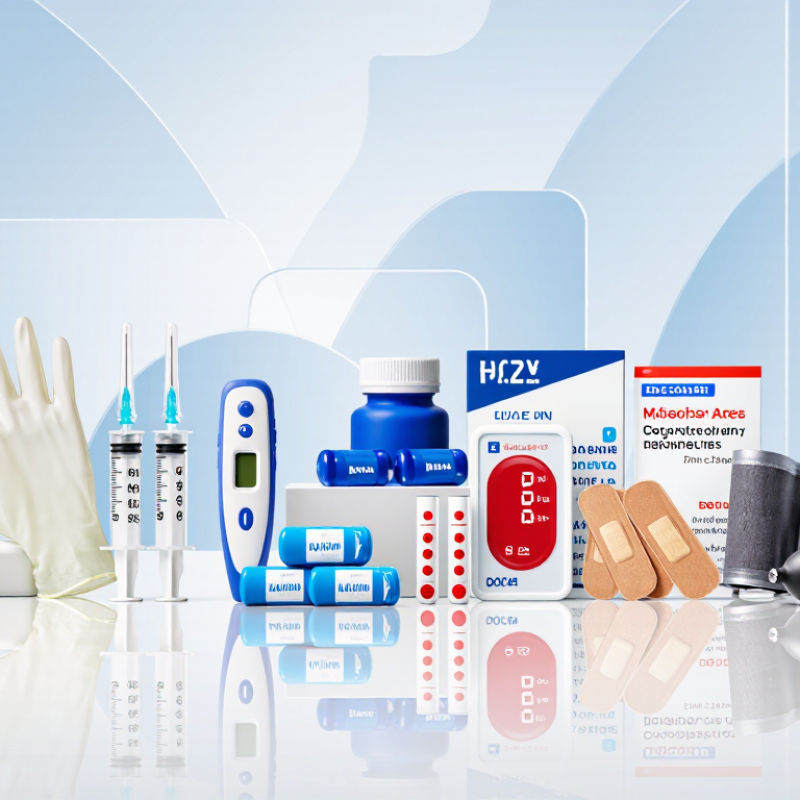
Reliable home care starts with practical tools, not impressive packaging. A digital thermometer gives quick temperature readings for children and adults. An upper-arm blood pressure monitor can reveal useful trends when used with the correct cuff. A pulse oximeter offers oxygen saturation and pulse data during respiratory concerns. Read the display in good lighting. Small errors matter.
A blood glucose meter supports routine monitoring for people managing diabetes, while compatible test strips must remain sealed and within date. A peak-flow meter helps some patients track breathing changes under professional guidance. A connected weight scale may show long-term patterns, but daily fluctuations can mislead. A urine test strip provides screening clues, not a final diagnosis. Keep records with dates, symptoms, and medication details. That history helps clinicians make better decisions.
Home-care supplies also deserve careful selection. A compact nebulizer may support prescribed respiratory treatment, and a wound-care kit should include sterile dressings, gloves, saline, and disposal bags. A weekly pill organizer can reduce missed doses, though it cannot replace medical advice. Check calibration, battery life, language options, data security, and return policies before buying internationally. No device is perfect. I still forget to clean sensors regularly. Instructions can feel overly simple, and users may misread results. Confirm unusual readings with a qualified healthcare professional, especially when symptoms worsen.