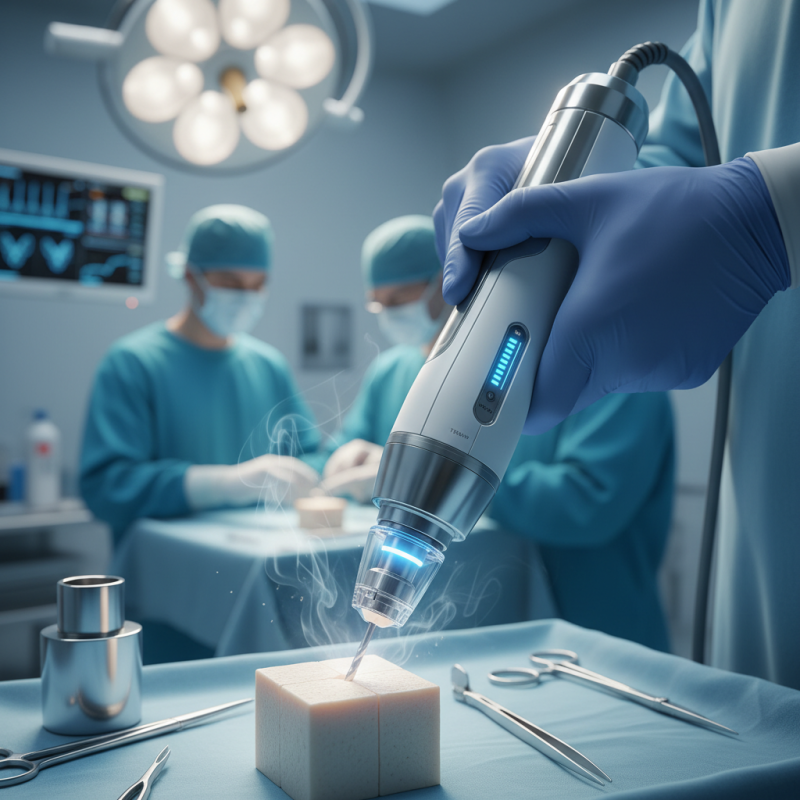
What is a Universal Bone Drill and How Is It Used?
The Universal Bone Drill is a vital tool in orthopedic surgery. Its versatility makes it essential for various procedures. The global bone drill market reached $960 million in 2022, with a forecasted growth of 6% annually. Surgeons value its precision and ability to minimize tissue damage.
In the operating room, the Universal Bone Drill enhances efficiency. It can navigate hard and soft tissues, adapting to different surgical needs. Despite its effectiveness, issues like overheating and drill bit wear remain concerns. Surgeons must constantly evaluate its performance during operations.
Training is crucial for using the Universal Bone Drill. Improper technique can lead to complications. The industry stresses ongoing education to mitigate risks. Accurate drilling is essential to secure implants and ensure patient safety. The Universal Bone Drill has revolutionized surgical practices, yet challenges persist.
What is a Universal Bone Drill?
A universal bone drill is a critical tool in orthopedic procedures. This versatile device allows surgeons to create holes in bone for various applications, including the installation of screws, plates, and other fixation devices. The drill is designed to be flexible, adapting to different surgical needs. Surgeons often prefer it because it streamlines the process and reduces the likelihood of complications.
In 2022, the global orthopedic surgical drill market was valued at approximately $1.4 billion. The demand for universal bone drills is rising as minimally invasive techniques become more prevalent. These drills enhance precision and patient outcomes. Surgeons report that using them can significantly cut down operation times while boosting recovery rates.
**Tips:** Ensure proper sterilization before use to minimize infection risk. Take time to understand the drill's settings; improper use can lead to complications. Always have a backup plan if the drill malfunctions. Surgeon training on this equipment is crucial. Each procedure brings unique challenges. Reflecting on past surgeries can help improve future outcomes.
What is a Universal Bone Drill and How Is It Used?
| Feature | Description | Usage |
| Type of Drill | Electric and manual options available | Used for precise drilling |
| Applications | Orthopedic, dental, and veterinary fields | Bone fixation, implant placement |
| Drill Bits | Specialized bits for different bone densities | Changeable for various procedures |
| Safety Features | Built-in safety mechanisms to prevent overdrilling | Ensures patient safety during surgery |
| Maintenance | Regular cleaning and sterilization required | Prevents infection and ensures longevity |
Key Features of Universal Bone Drills
Universal bone drills play a crucial role in orthopedic surgeries. They are designed for precision and versatility. These drills can be adjusted based on different types of procedures, making them an essential tool in the operating room. The adaptability of a universal bone drill is one of its standout features. Surgeons can easily switch between various drill bits, enhancing their efficiency.
One notable characteristic is the ergonomic design. This allows for easy handling during extended surgeries. The grip is comfortable, which reduces hand fatigue. In addition, many universal bone drills incorporate advanced technology. This includes features like adjustable speed control. However, not all drills perform identically. Surgeons must be aware of the specific capabilities and limitations of each model they use.
Durability is another consideration. A well-made drill can withstand the rigors of repetitive use. However, improper maintenance can lead to malfunctions. Regular checks and cleaning are necessary to ensure longevity. Ultimately, while universal bone drills have many advantages, they require careful handling and attention to detail to maximize their effectiveness in surgery.
Applications of Universal Bone Drills in Surgery
Universal bone drills are versatile tools used in various surgical procedures. They allow for precision in drilling through bone, whether for orthopedic surgeries or dental implants. Surgeons appreciate their adaptability when it comes to different surgical needs. However, the technique requires skill and experience. Misalignment during drilling can lead to complications.
In orthopedic surgery, these drills facilitate the placement of screws or implants. They streamline the process, reducing surgery time. In dental applications, the right drill can enhance accuracy when preparing the jaw for implants. However, surgeons must remain cautious. Poor drilling technique can result in damage to surrounding tissues and bone.
The learning curve is steep, and every surgeon must adapt their technique. Continuous practice and training help in mastering the tool. Each procedure is unique, presenting challenges that require critical thinking. The risks exist, but the potential benefits can be substantial when used correctly.
Operating Techniques for Universal Bone Drills
Operating a Universal Bone Drill requires precision and skill. This device is essential in orthopedic surgery. Surgeons use it to make accurate holes in bone. The process must be executed carefully to avoid complications. Studies show that improper techniques can lead to a 30% increase in post-operative complications.
Surgeons must consider the patient's anatomy before drilling. The drill settings, like speed and torque, must match the procedure. A speed of around 800-1200 RPM is common for cortical bone drilling. Resistance should always be monitored. Excessive heat can damage surrounding tissues. A research report indicates that 25% of surgical errors stem from inadequate preparation.
In training, simulating drilling on bone models is crucial. Realistic practice boosts confidence and refines skills. However, some surgeons still face challenges adjusting to real cases. Surgical teams often discuss these challenges in debriefings. Learning from mistakes is vital to enhance techniques and outcomes.
Universal Bone Drill Usage and Performance Metrics
This bar chart illustrates the performance metrics associated with the use of Universal Bone Drills in surgical procedures. The metrics include Surgical Precision, Speed of Operation, Patient Recovery Time, and Versatility in Use, showcasing the effectiveness and advantages of Universal Bone Drills in various applications.
Maintenance and Safety Practices for Universal Bone Drills
Universal bone drills are vital in orthopedic surgery. They allow precise drilling into bone for various procedures. However, improper maintenance can lead to serious issues. Regular checks are essential for optimal performance.
Cleaning is a critical practice. After each use, drills should be thoroughly cleaned to remove biological debris. If not cleaned properly, this can lead to infections. Additionally, lubrication of moving parts is necessary. This ensures smooth operation and prevents wear and tear over time.
Safety practices cannot be ignored. Using protective gear, like gloves and masks, is crucial. Surgeons must also be aware of their surroundings to prevent accidents. An inadequately maintained tool can cause complications. Routine maintenance checks help identify potential problems early. This proactive approach is essential for patient safety and successful outcomes.