Top 10 Sleep Monitoring Technologies in China You Should Know?
In recent years, Sleep Monitoring Technology has gained significant traction in China. According to a report by Research and Markets, the sleep technology market is projected to reach USD 10 billion by 2025. This growth is fueled by rising health concerns linked to sleep disorders, affecting around 150 million people in China alone. Advanced technologies are being developed to address these issues effectively.
Wearable devices and smart mattresses are at the forefront of this evolution. Companies focus on integrating sensors and artificial intelligence to provide real-time sleep analysis. For instance, a major player in the market, Xiaomi, has introduced sleep monitoring features in its smartbands that track sleep stages and heart rate. However, despite the advancements, many products lack comprehensive clinical validation, raising questions about their accuracy.
As consumers become more informed, the demand for reliable Sleep Monitoring Technology continues to rise. Yet, users must approach these tools with caution. Understanding the limitations of current technologies is essential. While some devices offer valuable insights, they may fall short in addressing all sleep issues. As the industry evolves, continuous research and development will be crucial to enhance reliability and effectiveness.
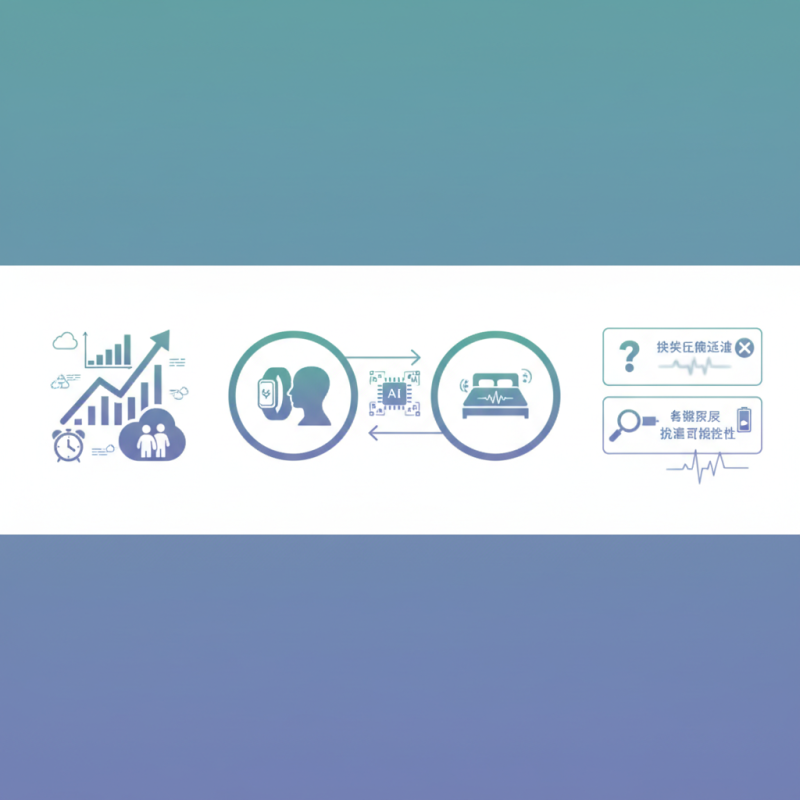
Overview of Sleep Monitoring Technologies in China
In recent years, sleep monitoring technologies in China have gained significant attention. These technologies offer insights into sleep patterns and help identify sleep disorders. Most devices track factors like heart rate, body movement, and sleep stages. This information is valuable for improving sleep quality.
Wearable devices have become popular among users. They are often lightweight and easy to use. Many rely on sensors to gather accurate data overnight. Some even integrate with mobile apps for real-time monitoring. However, the reliability of data can vary. Users should consider the limitations of each device.
Tips: Choose a device that suits your lifestyle. Look for features that matter most to you. Regular use can enhance its effectiveness. Note that individual experiences with sleep gadgets can differ. Some people may find the data helpful, while others might feel overwhelmed by it. Keep an open mind and be willing to adjust your expectations.
As sleep technologies evolve, they promise to enhance our understanding of sleep. Despite advancements, many people still struggle with sleep issues. Ongoing research is essential to improve accuracy and user experience in this field. Realistic expectations and a critical approach can lead to better sleep health.
Key Features and Benefits of Popular Sleep Devices
Sleep monitoring technologies are evolving quickly in China. These devices capture various metrics to improve sleep quality. They analyze heart rate, breathing patterns, and even body movements. Many users find this data invaluable. It helps them understand their sleep habits better.
Some devices feature user-friendly apps that display detailed sleep reports. These reports can highlight patterns and offer personalized recommendations. However, some users struggle with the overwhelming amount of data. It can lead to confusion rather than clarity.
Additionally, many sleep devices offer soothing sounds or ambient lighting. Such features can ease the transition into sleep. Yet, too many options may not cater to everyone’s preferences. Furthermore, it's important to remember that technology should not replace healthy sleep practices. Finding a balance is crucial for true restfulness.
Comparison of Leading Sleep Monitoring Apps and Wearable Gadgets
Sleep monitoring technologies are rapidly evolving in China, with innovative apps and wearable gadgets becoming integral to health management. A recent report from the China Internet Network Information Center indicates that over 40% of Chinese adults experience sleep-related issues. This demand has led to a proliferation of sleep apps and devices that track patterns, offering insights into sleep quality.
Many popular apps employ algorithms to analyze sleep cycles, providing users with personalized reports. Health professionals note that data from wearables can improve sleep hygiene. For instance, wearables utilize heart rate variability and movement tracking to deliver accurate sleep assessments. However, concerns about data privacy and accuracy persist. Users must consider how this information is stored and analyzed.
While these technologies show promise, not all deliver reliable results. In fact, a study highlighted that nearly 25% of users find discrepancies in sleep data from different devices. This inconsistency raises questions about their reliability. Users should remain critical of the insights offered, recognizing that these tools are not substitutes for professional medical advice. Understanding the limitations can lead to more informed choices regarding sleep health.
Trends Shaping the Future of Sleep Technology in China
China’s sleep technology market is rapidly evolving. Recent studies indicate that nearly 70% of urban residents struggle with sleep issues. As awareness grows, innovative solutions are emerging to address these challenges.
One notable trend is the integration of AI in sleep monitoring. According to a report by Statista, the market for sleep tech in China is expected to surpass $3 billion by 2025. Devices that use smart algorithms to analyze sleep patterns are gaining popularity. These technologies claim to enhance sleep quality by providing personalized recommendations. However, skeptics question the accuracy of data collected by these devices. Transparent research and validation remain crucial for building user trust.
Moreover, the rise of telehealth services is influencing sleep technology. A growing number of individuals prefer remote consultations for sleep disorders. The World Health Organization reported a 25% increase in telehealth usage during the pandemic. While this shift signifies progress, it raises concerns over the depth of patient-provider interactions. Online assessments may overlook critical nuances, potentially hindering comprehensive treatment plans. As the landscape matures, addressing these gaps will be essential to ensure effective sleep solutions.
Consumer Insights and User Experiences with Sleep Monitors
Sleep monitoring technologies have become increasingly popular in China. They gather vital data about sleep patterns and quality. However, user experiences often vary widely. Some users praise the ease of tracking sleep data. Others find the technology too complex or intrusive.
A common frustration is the accuracy of these devices. Users report inconsistencies in data collection. For instance, some monitors may suggest that a user slept poorly, while the user feels rested. This discrepancy can lead to confusion. Many users wish for clearer insights into their sleep quality.
Privacy concerns also arise. Some people worry about how their sleep data is stored and used. Another aspect to consider is the potential for over-reliance on technology. Many users may neglect traditional sleep hygiene practices. This reliance can hinder genuine improvement in sleep quality. Sleep technology has potential, but users must remain critical and mindful.
Top 10 Sleep Monitoring Technologies in China
