Top 10 Medical Air Purifiers for Healthier Living?
In today's world, air quality is a growing concern. Dust, allergens, and pollutants can significantly affect health. Experts like Dr. Sarah Thompson, a renowned air quality researcher, emphasize the importance of clean air. She states, "Investing in a medical air purifier can greatly improve indoor air quality."
medical air purifiers are designed to filter harmful particles. These devices can trap bacteria, viruses, and allergens. However, not all models are created equal. Some fail to meet essential standards, leading to disappointing results. It's vital to research and understand the features of each product before purchasing.
With so many options available, choosing the right medical air purifier can be overwhelming. Consumers must be wary of misleading claims. Often, what seems effective may not deliver real benefits. Reflecting on these challenges can help individuals make informed decisions for a healthier living environment.
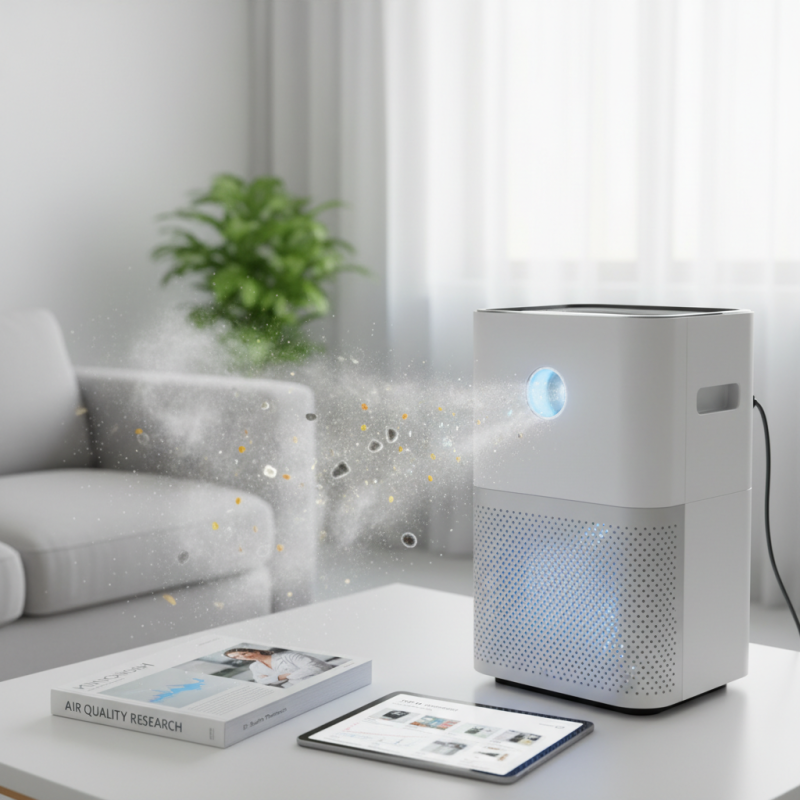
Top Essential Features of Medical Air Purifiers for Home Use
When choosing medical air purifiers for home use, specific features stand out. High Efficiency Particulate Air (HEPA) filters are crucial. They capture 99.97% of particles as small as 0.3 microns. According to the EPA, indoor air can be two to five times more polluted than outdoor air. Investing in a good air purifier can significantly reduce health risks.
Another essential feature is activated carbon filters. They effectively remove odors and volatile organic compounds (VOCs). Studies show that VOCs can lead to various health issues, including headaches and respiratory problems. A purifier that combines HEPA and activated carbon technology is ideal for comprehensive air cleaning.
Tip: Always check the Clean Air Delivery Rate (CADR) of the purifier. A higher CADR means faster purification. Look for models suited to your room size for effective performance. Regular maintenance is also important; change filters according to the manufacturer’s recommendations. This ensures the device functions at its best, improving air quality consistently.
Understanding the Health Benefits of Air Purification Technology
Air purification technology significantly enhances indoor air quality. Many people underestimate the impact of clean air on overall health. Breathing fresh, purified air can reduce allergens and irritants. Dust, pollen, and pet dander often circulate in indoor spaces. A medical-grade air purifier filters out these harmful particles effectively.
Health benefits abound with air purification. People who suffer from respiratory issues often notice improvement soon after using purifiers. Reduced exposure to airborne pollutants can lead to better sleep. More restful nights contribute to improved mental health. Additionally, clean air can boost focus and productivity during daily activities.
However, it's essential to acknowledge limitations. Not all air purifiers are created equal. Effectiveness can vary based on technology and filter types. Buying without research may lead to disappointment. Regular maintenance is crucial, too; neglecting filters can reduce performance. air purification may not solve all health problems, but it plays a vital role in creating a healthier living environment.
Top 10 Medical Air Purifiers for Healthier Living
This chart illustrates key performance metrics for the top 10 medical air purifiers, focusing on their effectiveness in improving indoor air quality. The values represent Cleaning Air Delivery Rate (CADR), filter efficiency, noise level, coverage area, and weight—essential factors to consider when choosing an air purifier for healthier living.
Key Filtration Technologies Used in Top Air Purifiers
When considering air purifiers for a healthier living space, filtration technology plays a crucial role. HEPA filters are often highlighted due to their ability to trap 99.97% of particles. They are effective at capturing dust, pollen, and pet dander. However, maintaining these filters can be tricky. Users may forget to replace them regularly, diminishing their effectiveness over time.
Activated carbon filters are another key technology. They absorb odors and harmful gases from the air. This helps improve indoor air quality significantly. Yet, these filters are not always efficient against larger particles. Users must understand the limitations of different types. It’s not just about having a filter; it’s knowing how well it will work in your space.
UV-C light filters provide additional purification by killing bacteria and viruses. However, they are not a standalone solution. Proper air circulation is essential for maximizing their effectiveness. Some systems may reduce indoor humidity, which can be uncomfortable. Every technology has its pros and cons, and being informed helps make better choices.
Top 10 Medical Air Purifiers for Healthier Living
| Model | Filtration Technology | CADR (Clean Air Delivery Rate) | Room Size Coverage | Noise Level (dB) | Filter Life (months) |
| Model A | HEPA + Activated Carbon | 300 | 400 sq ft | 25 | 12 |
| Model B | HEPA + UV-C Light | 250 | 350 sq ft | 30 | 10 |
| Model C | HEPA + Ionizer | 280 | 450 sq ft | 28 | 8 |
| Model D | True HEPA + Activated Carbon | 320 | 500 sq ft | 22 | 14 |
| Model E | HEPA + Photocatalytic | 290 | 400 sq ft | 26 | 11 |
| Model F | HEPA + Ozone Generation | 310 | 550 sq ft | 31 | 9 |
| Model G | HEPA + Carbon + UV | 250 | 350 sq ft | 29 | 10 |
| Model H | HEPA + Ion Filter | 330 | 600 sq ft | 23 | 13 |
| Model I | HEPA + Multi-Layer Filter | 270 | 450 sq ft | 24 | 15 |
| Model J | HEPA + Celestial Filter | 320 | 500 sq ft | 27 | 12 |
Industry Recommendations: Top 10 Medical Air Purifiers for Allergies
Choosing the right air purifier can significantly improve indoor air quality. For those suffering from allergies, it's crucial to select models that effectively filter allergens. Look for options equipped with HEPA filters. These can capture small particles, including dust, pollen, and pet dander, which often trigger allergic reactions.
Size matters. A small purifier in a large room won’t be effective. It may circulate more dust than it captures. Pay attention to the Clean Air Delivery Rate (CADR). A higher number means better performance. Regular maintenance is important too. Changing filters on time ensures optimal function. Many forget this simple task, leading to reduced efficiency.
Not all designs are user-friendly. Some units can be noisy, disrupting daily activities. A quiet operation is essential, especially in bedrooms. Consider the placement of the purifier. Ensure it has space around it to function properly.
Finally, remember to research different models. Reading reviews helps in understanding real user experiences. A wise choice today can lead to a healthier living environment tomorrow.
Statistics on Air Quality Improvement with Medical Air Purifiers
Indoor air quality has become a major concern for many. Statistics indicate that poor air quality can lead to various health issues. For instance, the World Health Organization states that about 7 million people die annually from air pollution-related ailments. These alarming figures have prompted an increased interest in medical air purifiers.
Recent studies reveal that using air purifiers can significantly enhance indoor air quality. A study published in the Journal of Air Quality showed that air purifiers can reduce airborne particles by over 50% in just one hour of use. Cleaner air contributes to decreased respiratory symptoms. Moreover, another report found that 95% of users experienced improved sleep quality after using air purifiers regularly.
Despite these benefits, not all air purifiers are created equal. Some may not effectively filter out all pollutants. Users should be cautious about this. It is essential to choose models with proven efficacy. Additionally, the maintenance of these devices is crucial. Failing to change filters may lead to ineffective performance. Being aware of these factors can help ensure a truly healthier living environment.
