Top 10 Orthopedic Implants You Need to Know About?
orthopedic implants play a crucial role in modern medicine. These devices are used to replace or support damaged bones and joints. Knowledge about these implants can significantly impact patient care and outcomes.
In recent years, innovations in orthopedic implant technology have transformed surgical practices. From hip replacements to spinal devices, a variety of implants cater to different conditions. Surgeons must select the right implant for each patient. This decision can be complex and requires careful consideration.
Despite advancements, challenges remain. Some implants may not integrate well with the body. Complications can arise post-surgery, leading to dissatisfaction. Patients need to be informed about these risks. Understanding the top orthopedic implants available is essential for anyone facing surgery. This knowledge empowers patients and enhances their recovery journey.
Introduction to Orthopedic Implants and Their Importance
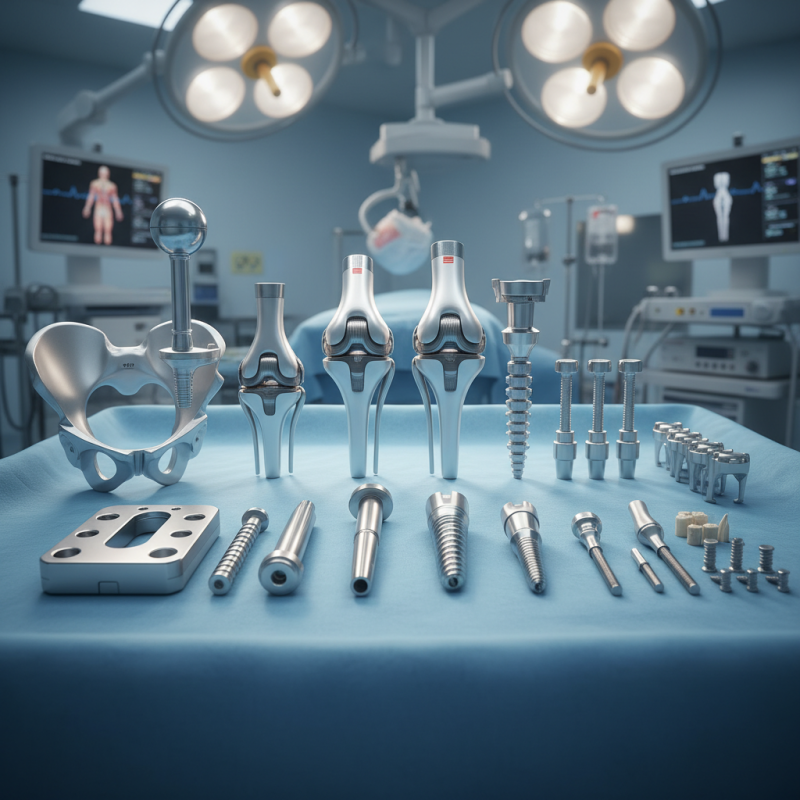
Orthopedic implants play a crucial role in modern medicine. These devices, including screws, plates, and joint replacements, help restore mobility and alleviate pain. A recent study indicated that the global orthopedic implant market is projected to reach $78.4 billion by 2025. This growth highlights the increasing demand for innovative solutions in treating musculoskeletal conditions.
In addition to enhancing patient outcomes, orthopedic implants significantly impact healthcare costs. For example, successful joint replacement surgeries can lead to significant reductions in long-term care expenses. However, not every implant meets the same success rate. Some may have higher complication rates, prompting a need for careful selection by healthcare providers.
Tips: Always consult with your orthopedic specialist. Understand the risks and benefits of each implant option. Ask about the implant's success rates and potential complications. Research can empower you as a patient. It's essential to be informed, yet many patients still overlook these details. Balancing trust in medical expertise with personal research is vital.
The necessity of patient education around orthopedic implants cannot be overstated. More awareness leads to better decisions. Patients should feel comfortable discussing their concerns. It's okay to question the information given. After all, every patient's situation is unique. The decision about which implant to use should be a shared process between patient and doctor.
Types of Orthopedic Implants: An Overview of Common Categories
Orthopedic implants play a crucial role in modern medicine. They are designed to replace or support damaged bones and joints. Numerous types exist, each serving unique functions. Common categories include screws, plates, rods, and joint replacements. The global orthopedic implants market is projected to reach over $50 billion by 2026.
Screws and plates stabilize fractures. They assist in the healing process. Rods are typically used in spinal surgeries, providing support and alignment. Joint replacements, like knees and hips, enhance mobility and quality of life. Reports show a growing demand for these devices due to aging populations and increasing physical activities. However, complications can arise, such as infections or implant failures.
**Tip:** Always consult with a healthcare professional to understand implant options. Make informed decisions based on your specific needs. Be aware of potential risks and complications.
Inappropriate use of implants can lead to long-term issues. Not all patients are suitable candidates. Consider lifestyle changes post-surgery to ensure successful recovery. Regular follow-ups are essential for monitoring implant performance. Remember, patient education and awareness are vital for better outcomes.
Key Features and Materials Used in Orthopedic Implants
Orthopedic implants are essential in modern medicine. They support healing in bones and joints. Understanding their materials is crucial for anyone considering surgery. Most implants are made from titanium, stainless steel, or polymers. Titanium is popular. It has a good strength-to-weight ratio. It also bonds well with bone tissue.
Stainless steel is another common choice. It is durable but may corrode over time. Polymers are lightweight and flexible. They can improve patient comfort. Each material has its pros and cons. For instance, titanium is expensive, while stainless steel is more affordable. Yet, some patients may struggle with allergies to metals.
In recent years, bioactive ceramics have gained attention. They promote better integration with bone. This could lead to faster recovery. However, these materials can be brittle. The choice of material often affects the implant’s longevity and functionality. Patients should discuss options with their doctors. Selecting the right implant is a key step toward healing.
Top 10 Essential Orthopedic Implants and Their Applications
In the world of orthopedics, several implants play crucial roles. Joint replacements are among the most common. They provide significant relief for patients suffering from arthritis. These devices can restore mobility and improve quality of life. However, not all joint replacements work perfectly for every patient. Sometimes, complications can arise, leading to the need for additional surgeries.
Another essential implant is the bone screw. It stabilizes fractures and supports healing. Surgeons use them in various scenarios, from orthopedic surgeries to spinal operations. Despite their effectiveness, misplacement of screws can lead to postoperative issues. This highlights the importance of surgical precision and patient-specific strategies.
Metal plates are also vital in orthopedic surgery. They assist in healing complex fractures by providing structural support. However, the materials used may cause reactions in some patients. Each implant type has its pros and cons, which should be discussed with professionals. Understanding these aspects is vital for optimal outcomes in orthopedic care.
Top 10 Essential Orthopedic Implants and Their Applications
The following bar chart displays the most common orthopedic implants along with their applications. This information is crucial for understanding the advancements in orthopedic surgery and their impact on patient recovery.
Future Trends and Innovations in Orthopedic Implant Technology
The future of orthopedic implant technology is rapidly evolving. Recent data shows that the global orthopedic implant market is poised to grow significantly, projected to reach over $45 billion by 2026. This growth signals exciting developments. Innovations are reshaping how implants are designed, produced, and utilized.
3D printing is at the forefront of this transformation. It allows for customized implants tailored to patient-specific anatomy. However, challenges remain. Quality control and material performance are crucial. Not all 3D-printed implants meet the rigorous standards required for successful outcomes. Moreover, biocompatible materials are still being researched to ensure long-term compatibility within the body.
Another trend is the integration of smart technology. Some implants now come equipped with sensors. These sensors monitor patient activity and alignment in real-time. Data from these devices can help guide rehabilitation. Yet, privacy concerns emerge. The collection and storage of personal health data require stringent measures. Ensuring patient confidentiality while advancing technology remains a balancing act.