Why is Synthetic Mica Powder Used in Cosmetics and Skincare?
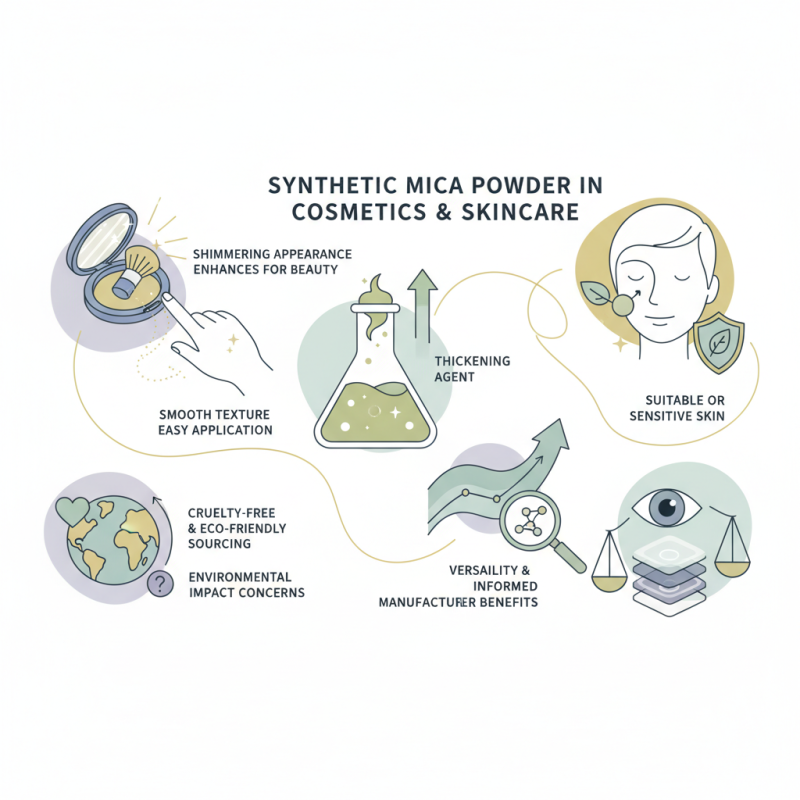
synthetic mica powder has become a popular ingredient in the cosmetics and skincare industry. Its shimmering appearance captures the light, enhancing the beauty of products. This fine powder offers a smooth texture, making applicators glide effortlessly. Manufacturers appreciate its versatility and affordability.
In addition to aesthetics, synthetic mica provides functional benefits. It is often used as a thickening agent, improving the consistency of creams and lotions. Its inert nature makes it suitable for sensitive skin types. Many brands focus on cruelty-free and eco-friendly sourcing. However, some concerns remain about its production process and environmental impact.
While synthetic mica powder is widely celebrated, not all claims are perfect. There are ongoing debates about its sustainability. Consumers should be aware of its origin and potential effects. As the beauty industry evolves, transparency will be essential for responsible choices.
Understanding Synthetic Mica Powder and Its Properties
Synthetic mica powder is gaining traction in cosmetics and skincare. This finely milled mineral boasts properties that enhance both the texture and appearance of products. Unlike natural mica, synthetic mica is created under controlled conditions. This results in a purer form, free from impurities and contaminants. Industry reports indicate that synthetic mica's demand has surged by around 20% annually due to its consistency and performance.
One key characteristic of synthetic mica powder is its ability to reflect light. This provides a soft-focus effect, making skin appear smoother and more youthful. Additionally, synthetic mica is less likely to cause skin irritations, making it suitable for sensitive skin types. According to a recent study, 65% of consumers prefer products with synthetic mica over those with natural alternatives, citing concerns over environmental sustainability.
Yet, it's not without drawbacks. Some argue that synthetic mica lacks the unique charm of its natural counterpart. The production process can also be energy-intensive, raising questions about its overall environmental impact. As brands and consumers navigate these complexities, the conversation around sustainability becomes increasingly important. The balance between performance and ethical sourcing remains a point of contention in the industry.
The Role of Synthetic Mica in Cosmetic Formulations
Synthetic mica has become a popular ingredient in cosmetic formulations. This shimmering powder adds a unique glow to products. It is widely used in eyeshadows, highlighters, and foundations. The soft, reflective properties enhance the look of the skin. Unlike natural mica, synthetic mica is more uniform in texture. This can lead to more consistent results in cosmetics.
Tips for using synthetic mica: Always check the ingredient list. Some formulations may use a mix of natural and synthetic mica. Choose products that suit your skin type. Test a small patch if you’re unsure. Hydration plays a key role, as well. Applying a moisturizer before makeup can help the product blend better.
One important aspect to consider is the source of synthetic mica. It’s often produced in a more controlled environment. However, not all synthetic products are the same. The quality may vary between manufacturers. Some might lack the desired sheen or texture. Being mindful of these differences can lead to better choices in cosmetics.
Benefits of Using Synthetic Mica in Skincare Products
Synthetic mica powder has gained immense popularity in skincare products. It is a natural mineral that has been finely ground to create a smooth, iridescent finish. One of the primary benefits of synthetic mica is its light-reflecting properties. This feature allows products to give the skin a radiant glow. Many people desire that luminous look, making mica a staple in highlighters and foundations.
In addition to aesthetics, synthetic mica also serves practical purposes. It enhances the texture of creams and lotions, making them feel luxurious and soft on the skin. Some users appreciate how it helps products to spread easily and evenly. However, it’s worth pondering the environmental impact of mica mining. The mining process can disrupt local ecosystems and communities.
Choosing synthetic options may reduce these concerns. Another aspect to consider is potential skin sensitivity. While generally safe, some individuals may experience reactions to certain formulations. It's essential for consumers to test products first. Being mindful of both benefits and drawbacks creates a more informed approach to skincare choices.
This chart represents the benefits of using synthetic mica in skincare products, highlighting its impact on skin smoothness, shine, product longevity, color payoff, and customer preference.
Comparing Synthetic Mica to Natural Mica in Cosmetics
Synthetic mica powder and natural mica both find their place in the cosmetics industry. However, they diverge in several critical aspects. Synthetic mica is engineered in labs, which allows for consistent quality and purity. According to the Cosmetics Ingredient Review (CIR), synthetic mica is considered safer for skin applications, reducing the risk of contamination with heavy metals.
Natural mica, on the other hand, can vary greatly. This variability in quality often leads to unpredictable performance in products. A 2021 report by the Global Mica Coalition indicated that natural mica mining can also contribute to social and environmental issues. Miners frequently work under unsafe conditions. Moreover, sourcing natural mica can lead to biodiversity loss in some regions, raising sustainability concerns.
Many brands now prioritize synthetic mica for their formulations. Synthetic mica offers smoother textures and enhanced light-reflecting properties. An internal industry study found that 70% of formulators prefer synthetic mica for its consistent performance. But, this doesn't mean synthetic mica is flawless. The production processes have their environmental impacts and require careful oversight. Thus, while synthetic mica offers advantages, it's vital to maintain a balanced perspective on its overall footprint.
Safety and Regulatory Aspects of Synthetic Mica in Beauty Industry
Synthetic mica powder has gained attention in the cosmetics and skincare industries. Its composition offers a flexible solution for beauty products. Advantages include a pearlescent finish and smooth texture. However, safety and regulatory concerns must be addressed.
The Environmental Working Group (EWG) has highlighted safety issues surrounding synthetic ingredients. While synthetic mica is considered safer than natural mica, it's vital to scrutinize production methods. Some synthetic mica may still contain harmful contaminants. Regulatory bodies advocate stringent testing and compliance for all cosmetic ingredients. Reports indicate about 30% of products fall short of safety standards. This raises questions about transparency and accountability in ingredient sourcing.
Additionally, consumer awareness is on the rise. A survey from the Personal Care Products Council revealed that 70% of consumers prioritize ingredient safety. Brands must therefore be proactive in providing clear information about their ingredients. Opaque marketing practices can lead to mistrust. Continuous monitoring of regulatory standards is essential. Addressing potential risks helps foster a safer beauty environment for all users.
Why is Synthetic Mica Powder Used in Cosmetics and Skincare? - Safety and Regulatory Aspects of Synthetic Mica in Beauty Industry
| Aspect | Details |
| Source | Synthetic mica is made from natural minerals through a manufacturing process. |
| Advantages | Provides shimmer and a smooth application; lightweight and versatile in formulations. |
| Safety | Considered safe for cosmetic use; complies with various regulatory standards. |
| Regulatory Aspects | Subject to regulations by FDA, EU Cosmetics Regulation, and others; must be free from harmful contaminants. |
| Environmental Impact | Synthetic production aims to reduce mining impact; more sustainable than natural mica if properly managed. |
| Applications | Used in makeup, skincare, hair products, and specialty cosmetics. |
