How to Source Brain Peptides Safely in 2026?
Sourcing a Brain Peptide safely in 2026 requires more than comparing prices or reading glowing testimonials. The label “research use” does not prove medical quality. It may hide uncertain identity, contamination, or poor temperature control. A small vial can carry significant risks.
MarketsandMarkets estimated the global peptide therapeutics market at approximately USD 43.9 billion in 2023. Its report projects continued growth through 2028, driven by advanced biologic medicines and specialized treatments. IQVIA’s Global Use of Medicines 2024 also describes rising demand for specialty medicines. These figures concern regulated therapeutics, not every online product marketed for memory or focus. That distinction matters. A lot.
As peptide chemist Professor Christian Heinis has stated, “Peptides can address challenging biological targets.” That promise does not replace clinical evidence. A responsible buyer should verify licensed medical supervision, lawful distribution, GMP manufacturing, batch-specific identity testing, sterility data, and documented cold-chain handling. Independent laboratory results should name the tested compound, method, batch number, and testing date. Vague certificates are not enough. The United States FDA has repeatedly warned consumers about unapproved products and misleading health claims. Similar restrictions apply across many regions.
This guide therefore treats safety as a verification process, not a shopping decision. It will examine regulatory status, supplier transparency, clinical evidence, storage conditions, and professional oversight. Some risks remain difficult to judge from public information. That is uncomfortable, but honest. When evidence is incomplete, avoiding the product may be the most reliable choice.
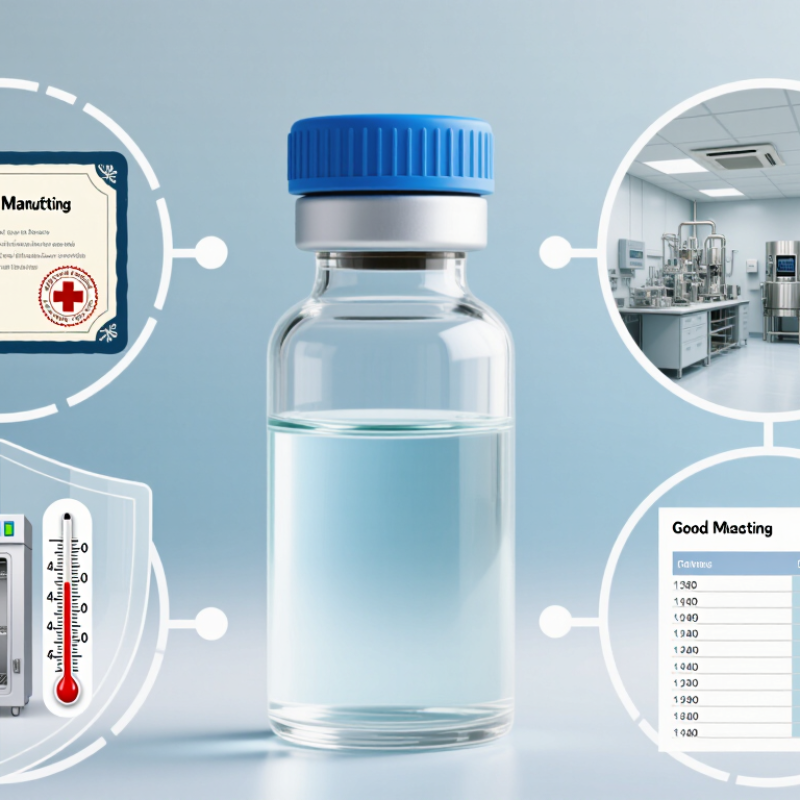
What Brain Peptides Are and How They Are Classified
“Brain peptides” is a broad, imperfect label. Neuropeptides are naturally occurring messengers released by neurons. They influence pain, appetite, stress, sleep, and memory. Peptide hormones act through blood and tissues, while synthetic analogues imitate or adjust these signals. Some compounds are approved medicines. Others remain investigational. Their classification should consider origin, structure, receptor target, clinical evidence, and regulatory status.
The blood-brain barrier complicates every claim. A peptide may show activity in a laboratory but achieve little brain exposure in humans. Animal results are not proof. A 2024 review in Nature Reviews Drug Discovery highlights delivery and stability as continuing challenges in peptide therapeutics. IQVIA Institute’s Global Use of Medicines 2024 report projects worldwide medicine spending could reach about 2.3 trillion dollars by 2028. Growth can attract careful innovation, but also weak documentation.
For safe sourcing in 2026, begin with a licensed clinician and an authorized pharmacy operating under local law. Check the active ingredient, concentration, lot number, storage temperature, expiry date, and prescribing information. Ask whether independent testing covers identity, sterility, potency, and endotoxins. A clean-looking vial proves little. I still treat a certificate of analysis as supporting evidence, not absolute proof. The WHO estimates that one in ten medical products in low- and middle-income countries may be substandard or falsified. Avoid products with vague labels, pressure-based sales, or claims of guaranteed memory enhancement. “Research use only” is not a treatment category.
How to Identify Legitimate Medical and Research Uses
How to Source Brain Peptides Safely in 2026?
“Brain peptides” describes a broad group, not one approved treatment category. Some peptides have legitimate clinical roles, while others remain experimental. A licensed clinician should confirm the diagnosis, evidence, dosage, and regulatory status before treatment. Do not rely on social media protocols or personal testimonials. A real medical pathway includes a documented prescription, informed consent, and follow-up for side effects. It should also involve a pharmacy operating under applicable national standards.
Research use follows a different route. Universities, hospitals, and registered laboratories should use approved protocols and appropriate ethics oversight. Suppliers should provide clear identity testing, concentration, sterility information, storage conditions, and batch traceability. A certificate of analysis helps, but it is not absolute proof. Independent testing may still be necessary, especially for injectable materials.
I have seen how attractive packaging can hide incomplete documentation. That is worth remembering.
Tips: Ask who performed each test. Check whether the laboratory is independent and accredited. Confirm that the product matches the approved research protocol. Keep temperature records during transport and storage. Never inject a material labeled “research use only.” Avoid vendors that promise rapid cognitive enhancement or guaranteed results. If the paperwork feels rushed, pause. Legitimate science tolerates questions, although real-world decisions are not always perfectly clear.
How to Verify Suppliers, Credentials, and Product Documentation
Sourcing brain peptides safely in 2026 starts with verifying the supplier, not admiring its website. Treat every product as unverified until its identity, intended use, and legal status are clear. A legitimate supplier should provide a real business address, responsive technical staff, and traceable registration details. Check those details through official government or professional registries, not only customer reviews.
Ask for a current certificate of analysis for the exact batch. It should show the product name, lot number, test date, measured purity, testing method, and laboratory identity. Look for supporting records, including mass spectrometry data, sterility information where relevant, storage temperatures, and an SDS. The lot number must match the vial, invoice, and documents. Small mismatch, big concern. I would also ask whether testing was performed independently. A supplier’s internal report can be useful, but it should not be treated as final proof.
Be cautious with dramatic claims about memory, focus, or neurological repair. Human evidence may be limited, uneven, or absent. Qualified clinicians and researchers should review any proposed use, especially when products are not approved medicines. I would pause if payment is rushed, documentation arrives as a blurry attachment, or staff avoid technical questions. A polished certificate can still be incomplete. That is an uncomfortable point, but careful sourcing requires admitting uncertainty. Keep records of communications, batch documents, shipping conditions, and any professional review before making a decision.
How to Recognize Legal, Medical, and Safety Risks in 2026
How to Source Brain Peptides Safely in 2026?
“Brain peptides” is not a universal legal category. A product may be approved for one medical use, yet unsupported for cognitive enhancement. In 2026, confirm its exact active ingredient, approved indication, prescription status, and storage requirements with a licensed clinician. The U.S. Food and Drug Administration states that compounded medicines are not evaluated for safety, effectiveness, or quality before marketing. That distinction matters. A professional-looking label is not proof.
Use a pharmacy authorized by your national regulator, not an anonymous marketplace. The National Association of Boards of Pharmacy reported in 2024 that nearly 95% of reviewed online medicine websites failed safety or legal standards. Check the pharmacy license independently. Request a prescription when required. Confirm the patient leaflet, batch information, expiry date, and temperature controls. Do not inject a product with unclear ingredients, damaged packaging, or missing instructions.
Medical risk can be quieter than legal risk. The World Health Organization reports that about one in ten patients experience harm in healthcare, with more than half considered preventable. Discuss allergies, pregnancy, neurological conditions, and current medicines before treatment. Watch for severe headache, confusion, breathing problems, or allergic reactions. Seek urgent care when these appear. I would not rely on testimonials or “research” certificates alone. My own caution is simple: evidence can be incomplete, and online confidence can be misleading.
How to Source Brain Peptides Safely in 2026
Verification checklist for recognizing legal, medical, and safety risks before considering any brain-peptide product.
The values show the number of essential verification checks in each category. They are checklist counts, not approval rates, clinical-effectiveness estimates, or adverse-event prevalence. A product should not be treated as safe merely because a supplier provides a certificate or an online listing.
