
Why Is Chaga Powder in High Demand Worldwide?
Chaga Powder is gaining attention as consumers look for familiar, plant-based ingredients that fit easily into daily routines. Its deep-brown color, earthy taste, and use in drinks make it a practical format for teas, blends, and wellness products. Demand is also part of a wider supplement trend. The Council for Responsible Nutrition’s 2024 Consumer Survey found that 75% of U.S. adults use dietary supplements. That figure does not measure chaga sales, but it signals a large audience already comfortable with supplement products.
The market context is substantial. Grand View Research estimated the global dietary supplements market at USD 177.5 billion in 2023 and projected continued growth through 2030. Still, broad market totals should not be mistaken for Chaga Powder revenue. Public reports rarely isolate chaga from other functional mushrooms, so claims about its exact worldwide market size need careful scrutiny. That distinction matters.
Interest may reflect convenience, product innovation, and curiosity about traditional ingredients. Yet buyer confidence depends on more than a compelling story. Chaga products can vary in species verification, growing conditions, processing, and testing. Responsible suppliers should provide clear sourcing information and relevant quality documentation, including contaminant testing where appropriate. Packaging details matter, too: a fine powder that dissolves poorly can disappoint, however attractive the label. The evidence is uneven. That deserves honesty. Chaga Powder’s growing visibility is real, but transparent data and careful quality control will determine whether attention becomes lasting trust.
What Chaga Powder Is and Where It Comes From
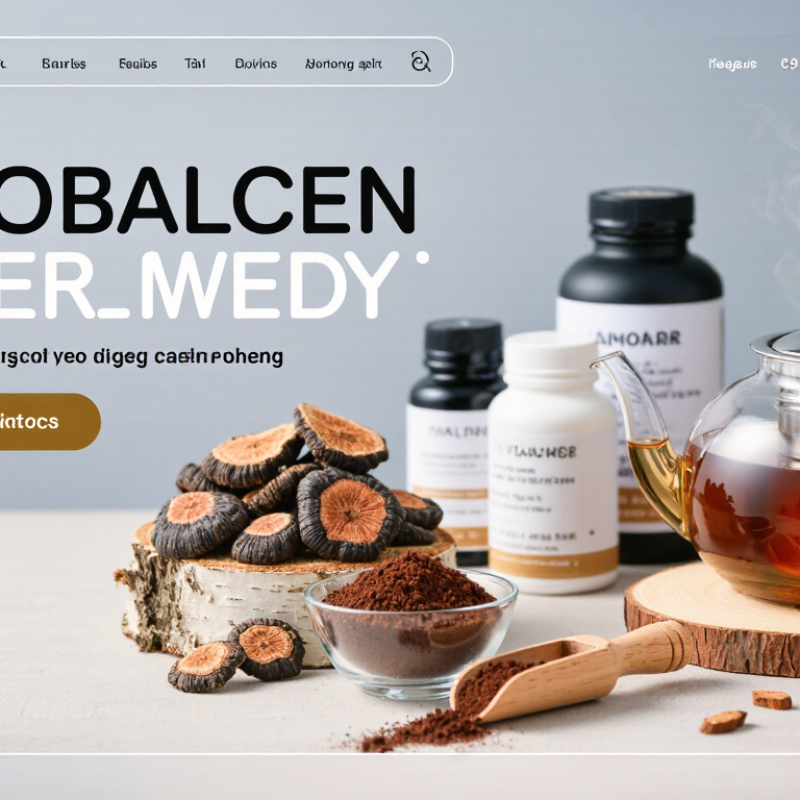
Chaga powder comes from Inonotus obliquus, a fungus that grows mainly on birch trees in cold regions of the Northern Hemisphere. It is not a typical mushroom with a stem and cap. Instead, it forms a rough, dark growth on the trunk, often resembling a charred lump. Look closer, and the broken interior may show warm brown or amber tones.
Harvested chaga is dried and ground into powder. The texture is usually fine but can feel slightly grainy, depending on how it was milled. It is commonly steeped in hot water, where it produces a deep brown drink with an earthy, sometimes mildly bitter taste. Not quite coffee. Its flavor can vary with the source and preparation.
The powder’s origin matters. Chaga takes years to grow, and it is collected from living birch trees, so responsible harvesting and clear sourcing are worth attention. The name alone does not tell you how the material was identified, processed, or tested. That part can be less straightforward than a label suggests. Chaga is a traditional food ingredient in some regions, but research on its effects is still developing; it should not be treated as a proven remedy.
Key Compounds Found in Chaga Powder
Chaga powder contains a varied mix of compounds, rather than one proven “active ingredient.” The fungus grows on birch trees, and its dark, cork-like outer tissue contains melanin pigments. Inside, researchers have identified polysaccharides, including beta-glucans, along with polyphenols and triterpenoids. These compounds are studied for their chemical properties, but research on isolated compounds does not establish that drinking chaga powder prevents or treats disease.
The proportions can differ. They may depend on the tree, growing conditions, which part is milled, and how the powder is processed. A spoonful stirred into warm water can look nearly black, yet color alone cannot show its compound levels or purity. That detail matters. Some chaga products may also contain notable oxalate, a concern for people prone to kidney stones or living with kidney disease. Ask a healthcare professional before regular use, especially when taking medication or managing a health condition. Lab testing and clear sourcing are more useful than broad claims on a label, though even those details deserve a careful read.
Traditional Uses and Modern Consumer Interest
For generations, people in parts of Northern and Eastern Europe and Siberia have prepared chaga from birch-tree growths as a dark, slowly simmered drink. Traditional use reflects local practice, not clinical proof. Today, powder fits modern routines: stirred into warm water, oatmeal, or coffee, it brings an earthy taste and a tangible connection to forest traditions. A small ritual.
Consumer interest also sits within a much larger supplement market. The Council for Responsible Nutrition’s 2024 Consumer Survey found that 75% of U.S. adults used dietary supplements. Grand View Research estimated global dietary-supplement sales at $177.5 billion in 2023. These figures describe the broader category, not chaga sales, and do not show that chaga works. That distinction matters.
Online interest often centers on antioxidants and immune support, yet human evidence for chaga remains limited. Laboratory findings cannot establish benefits from a spoonful of powder. Quality can vary with species identification, growing conditions, processing, and testing. Buyers may look for clear sourcing and independent contaminant checks, though labels cannot answer every question. The market story is still incomplete: reliable global sales figures specific to chaga remain scarce.
Factors Driving Global Demand for Chaga Powder
Chaga powder’s rising demand reflects a wider shift toward convenient, plant-based wellness products. Grand View Research estimated the global functional mushroom market at US$31.7 billion in 2023, with projected annual growth of 9.5% through 2030. That figure covers many mushroom species, not chaga alone. It signals category momentum, not a chaga sales estimate. The Council for Responsible Nutrition’s 2024 survey found that 75% of U.S. adults used dietary supplements. For consumers, a spoonful of powder stirred into coffee, tea, or oatmeal can feel easier than preparing a traditional infusion. The earthy taste is distinctive, though not universally appealing.
Demand is also shaped by interest in traditional ingredients, online access, and functional beverages. Some shoppers look for chaga’s naturally occurring compounds, but laboratory findings do not prove specific health benefits in people. Evidence is uneven. Trust depends on more than an appealing label: buyers increasingly need clear species identification, country-of-origin details, and independent testing for contaminants. Wild harvesting raises another question, because growing demand can put pressure on local supplies. Producers and retailers do not always make sourcing equally transparent. That gap is worth noticing. Wider availability may drive sales, but credible information and responsible sourcing will help determine whether interest lasts.
Sourcing, Quality, and Sustainability Considerations
Chaga powder’s global demand puts pressure on the forests and supply chains behind it. The fungus grows on birch trees, often in cold regions, and wild harvesting can require careful identification. Buyers should look for clear sourcing details: the country or region, whether the material is wild-collected, and how harvesters are trained. Vague claims such as “forest sourced” offer little assurance. Traceability is not glamorous, but it helps connect a finished powder to its origin.
Quality takes more than a dark color or earthy smell. Reliable suppliers can explain how they identify the species, process the material, and test batches for microbes, heavy metals, and other contaminants. Sustainability also deserves scrutiny. Removing too much growth, or damaging the host tree, may affect future availability. Harvesting practices vary, and public information is not always complete. That uncertainty should be acknowledged, not covered with confident marketing language. No checklist is perfect.
Tips: Ask for recent batch-testing information and specific origin details. Prefer suppliers that explain harvest methods plainly. If answers stay vague, pause before buying.
Why Is Chaga Powder in High Demand Worldwide? - Sourcing, Quality, and Sustainability Considerations
| Dimension | Evidence-based information | Why it matters to buyers | Sourcing and quality consideration |
|---|---|---|---|
| Organism and identity | Chaga is the common name for the fungus Inonotus obliquus. The dark, hardened growth sold as chaga is a fungal structure that develops on living trees. | Correct identification is essential because appearance alone is not a dependable way to authenticate a powdered product. | Look for the Latin species name, traceable raw-material documentation, and identity testing appropriate to the product. |
| Natural range and host trees | Chaga is associated with cold and boreal regions of the Northern Hemisphere and is commonly found growing on birch. Its occurrence depends on suitable hosts and local forest conditions. | Interest in wild-harvested ingredients can connect distant consumers with forest-based supply areas. | Request the country or region of harvest and, where available, the host-tree and collection-area details. Do not treat “northern” or “wild” as proof of quality. |
| Reasons for consumer interest | Chaga is sold as a food or dietary-supplement ingredient, often in powders and extracts. Traditional use and laboratory research contribute to interest, but these do not establish that chaga prevents or treats disease in people. | Demand can reflect interest in functional foods and mushroom products, while health claims may go beyond what human clinical evidence supports. | Prefer clear, non-misleading labeling. Be cautious of products promising cures or guaranteed medical outcomes. |
| Wild-harvest supply | Commercial chaga is commonly sourced from wild fungal growths. Availability can vary with location, forest conditions, access, and harvesting practices; a reliable, universal global supply figure is not established here. | A supply chain dependent on natural collection may be less predictable than one based on standardized agricultural production. | Ask suppliers to document harvest locations, collection practices, and chain of custody. Avoid assuming that wild harvesting is automatically sustainable. |
| Sustainability considerations | Chaga grows on living host trees, so harvesting practices and local regeneration matter. Sustainability depends on site-specific collection pressure and forest management; a single universal harvest rule cannot be inferred for every region. | Unmanaged collection may create ecological or resource risks, especially where demand grows faster than local oversight and replenishment. | Seek evidence of legal access, responsible collection protocols, and monitoring. Favor suppliers that disclose how they assess impacts on host trees and local supply. |
| Powder processing and consistency | Powder characteristics depend on the material used and on processing, including drying and milling. Products sold as powders and extracts are not necessarily equivalent in composition or concentration. | Differences in raw material and processing can make comparisons between products difficult. | Check whether the label identifies powder versus extract, lists processing details, and provides batch-specific specifications rather than relying on appearance alone. |
| Contaminant testing | As with other plant- and fungus-derived ingredients, the quality of a particular batch cannot be confirmed by appearance. Testing needs depend on the material, origin, and applicable food-safety rules. | Testing helps assess whether a batch meets relevant safety and quality specifications. | Request a recent certificate of analysis for the specific batch, including relevant microbiological and chemical contaminant results, and confirm that testing was performed by a qualified laboratory. |
| Safety and oxalates | Published medical case reports have described oxalate-related kidney injury associated with high or prolonged chaga supplement use. Case reports do not establish how often this occurs, but they identify a potential safety concern. | People with kidney conditions or a history of kidney stones may need particular caution; supplements can also be unsuitable alongside some medicines or health conditions. | Do not use chaga as a substitute for medical care. Consult a healthcare professional before use, especially with kidney disease, pregnancy, regular medication, or long-term use. |
| Market-data transparency | Publicly comparable figures for worldwide chaga-powder demand, harvest volume, and market share are not consistently available from a single authoritative source. | Unverified market-size claims can create a misleading impression of demand or supply certainty. | Treat market estimates as estimates unless their date, scope, methodology, and underlying data are clearly disclosed. |
Evidence note: Product composition, safety, and sustainability can vary by batch and source. Relevant background can be checked through peer-reviewed literature on chaga and oxalate-related kidney injury and applicable local food-safety and forest-harvesting requirements.