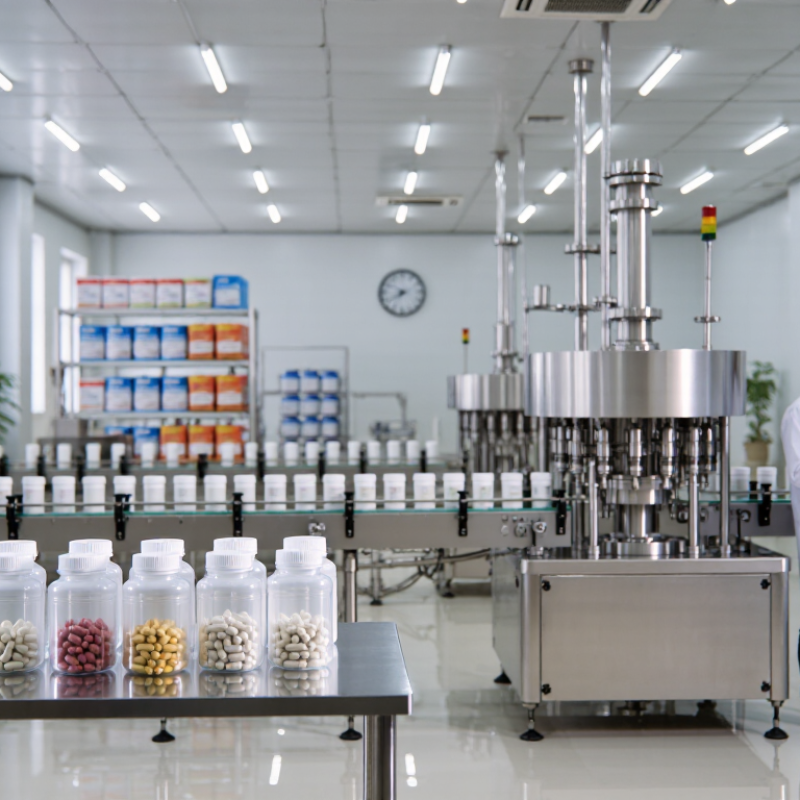
Best Private Label Supplement Manufacturers in 2026
Demand for supplements continues to attract brands, retailers, and contract manufacturers. Grand View Research estimated the global dietary supplements market at USD 177.5 billion in 2023, projecting a 9.1% compound annual growth rate from 2024 to 2030. That estimate covers the broader supplement market, not private-label sales alone. The distinction matters. The Council for Responsible Nutrition’s 2024 Consumer Survey reported that 75% of U.S. adults use dietary supplements, signaling a large consumer base—but not guaranteed sales for every new product.
Private Label Supplements can help brands enter this market with products made by specialized manufacturing partners. Yet the label is only the visible part. Behind each bottle are decisions about ingredient sourcing, formulation, production capacity, testing, packaging, and delivery timelines. A polished sample does not tell the whole story. Ask how a manufacturer verifies raw materials, manages batch records, and handles quality concerns. The FDA’s dietary supplement current good manufacturing practice requirements, under 21 CFR Part 111, provide an important quality framework; they should not be confused with FDA approval of a product.
This 2026 guide compares manufacturers by practical considerations, including quality systems, customization, minimum order quantities, and communication. Some details are difficult to assess from a website alone. That deserves scrutiny. The right partner depends on a brand’s product, budget, and growth plans, so no single supplier is best for everyone. Industry figures offer useful context, but buyers should verify current capabilities, documentation, and terms directly before committing.
What Private Label Supplement Manufacturers Do
Private label supplement manufacturers turn a product concept into a finished, packaged supplement. Their work can include reviewing a proposed formula, sourcing ingredients, blending powders or filling capsules, and arranging packaging. Some also help refine flavor, serving size, and label text. The exact scope varies by facility. Ask what is handled in-house and what is outsourced.
Quality checks matter at each step. A manufacturer may test incoming ingredients, monitor production batches, and arrange finished-product testing for identity, strength, or contaminants. Ask for sample documentation and clear explanations of testing methods. A polished certificate alone does not tell the whole story. Look at how records are maintained and how problems are investigated.
Production planning is part of the job, too. Manufacturers set minimum order quantities, estimate lead times, and coordinate packaging materials. A small detail, like a delayed bottle shipment, can push back launch dates. Request a written production schedule and confirm who approves formula or packaging changes. Do not assume every service is included in the quote. It sounds tidy on paper; real production can be less tidy, and even a careful plan may need revision.
How Supplement Formulation and Production Work
Supplement production starts with a target, not a recipe. A team defines the intended user, serving size, dosage form, and quality goals. Formulators then check whether ingredients work together in a capsule, tablet, powder, or liquid. A mineral may add bulk; a botanical extract may bring a strong smell or bitter taste. Details matter.
Next, the formula is checked for manufacturability. Suppliers provide identity and purity documents, while production staff assess flow, moisture, mixing time, and equipment limits. A powder that looks uniform in a beaker can separate in a large blender. Pilot batches reveal issues before full production. They help, but they are not magic. Not always.
During production, written batch instructions guide weighing, blending, filling, and packaging. In-process checks may include blend uniformity, capsule weight, and seal integrity. Finished lots should be tested against specifications, with records retained for traceability. Testing does not remove every uncertainty; it makes decisions visible. A formula that works only under ideal conditions deserves another look. Real factories are less tidy.
Best Private Label Supplement Manufacturers in 2026 - How Supplement Formulation and Production Work
| Stage | What Happens | Typical Formats or Inputs | Quality and Compliance Considerations | Questions for a Manufacturing Partner |
|---|---|---|---|---|
| 1. Product brief | The buyer defines the intended product, target audience, serving size, format, packaging, and market. The manufacturer reviews feasibility, ingredient constraints, and estimated production requirements. | Product concept, target markets, desired claims, draft ingredient list, packaging preferences, and estimated order volume. | Claims and ingredients should be reviewed for the regulations applicable in each sales market. Dietary supplement claims must not be presented as a substitute for required regulatory review. | What information is needed to assess feasibility? Which formulation, packaging, and regulatory services are included? |
| 2. Formulation | Formulators select ingredients and determine amounts per serving. They also consider ingredient compatibility, taste, flow, stability, processing conditions, and the size of the dosage form. | Common formats include capsules, tablets, powders, gummies, and liquids. Ingredients may include vitamins, minerals, botanicals, amino acids, or other permitted dietary ingredients. | Ingredient identity, specifications, intended use, and applicable restrictions should be assessed. A formula's feasibility can depend on ingredient properties and the chosen format. | Who owns the formula? Are custom formulations available? How are ingredient substitutions reviewed and approved? |
| 3. Ingredient sourcing | Ingredients are purchased from suppliers and received for review before use. Supplier qualification and incoming-material procedures help establish traceability and conformance to specifications. | Raw ingredients, excipients, flavors, sweeteners, capsules, and other materials used in the finished product. | Documentation may include supplier records, specifications, and certificates of analysis. A certificate of analysis should be evaluated alongside the manufacturer's own quality procedures. | How are suppliers qualified? What checks are performed on incoming materials? Can material origin and lot records be traced? |
| 4. Pilot work and samples | A sample or pilot batch may be prepared to evaluate appearance, taste, texture, manufacturability, and packaging fit before a larger production run. | Bench samples, prototype batches, flavor trials, capsule or tablet trials, and packaging samples. | Samples can reveal practical formulation issues, but they do not by themselves establish long-term shelf life or prove that every commercial batch will perform identically. | Are samples available? What changes are included in development? How are final specifications and approvals documented? |
| 5. Production planning | The manufacturer schedules equipment, personnel, materials, and packaging operations. Batch records and written procedures guide the work. | Batch size, production schedule, equipment requirements, packaging components, and approved manufacturing instructions. | In the United States, dietary supplement current good manufacturing practice requirements are set out in 21 CFR Part 111. Requirements in other markets may differ. | Which facility will make the product? What quality system applies? Can relevant audits or documentation be reviewed under appropriate confidentiality terms? |
| 6. Manufacturing | Materials are weighed and processed according to the approved formula and instructions. Depending on the product, operations can include blending, encapsulation, tableting, cooking, filling, or liquid processing. | Powder blending, capsule filling, tablet compression, gummy processing, liquid mixing, and other format-specific operations. | Production records, equipment controls, sanitation procedures, and in-process checks help document that operations follow established procedures. | Which steps are performed in-house? What in-process checks are used? How are deviations and rework handled? |
| 7. Testing and quality review | Testing and record review are performed according to the product's specifications and quality plan. The exact tests depend on the ingredients, dosage form, risks, and applicable requirements. | Potential checks include identity, strength or composition, microbiological quality, contaminants, moisture, and physical characteristics. | Testing methods and acceptance criteria should be defined for the product. Not every test applies to every supplement, and the test panel should be confirmed rather than assumed. | Which tests are performed, by whom, and at what stage? Are methods suitable for the product? What documents are supplied with each lot? |
| 8. Packaging and labeling | The finished product is packed in the selected container and labeled with approved artwork. Packaging may include bottles, pouches, jars, or other suitable formats. | Containers, closures, seals, desiccants where appropriate, labels, lot codes, and expiration or best-by information where applicable. | Labels should be reviewed for the intended market and product category. In the United States, supplement labeling has specific requirements; facility registration or manufacturing capability is not FDA approval of a product. | Who reviews label content? How are label versions controlled? Can packaging compatibility and coding requirements be documented? |
| 9. Release and records | Quality personnel review production and testing documentation against established procedures and specifications before disposition of the batch. | Batch production records, test results, material records, packaging records, and release documentation. | Clear lot identification and record retention support traceability. Ask what documents are available and how complaints, investigations, or recalls are managed. | What constitutes batch release? What records are provided? How are retained samples, complaints, and recall procedures managed? |
| 10. Reorders and ongoing improvement | Future production uses the approved product and process, subject to review of changes in materials, suppliers, equipment, or requirements. | Repeat orders, revised forecasts, updated packaging, and documented formula or process changes. | Changes should be assessed and documented through controlled procedures. Consistency depends on material controls, process controls, and appropriate verification. | How are changes communicated and approved? What are the reorder lead times, minimum order quantities, and procedures for addressing quality issues? |

Capabilities, minimum order quantities, testing plans, lead times, and documentation vary by product and manufacturing partner. Confirm specifications and regulatory responsibilities in writing before production.
Key Standards for Evaluating Manufacturers in 2026
In 2026, manufacturer selection should start with documented quality systems, not a polished sales presentation. The Council for Responsible Nutrition’s 2023 Consumer Survey found that 74% of U.S. adults use dietary supplements, making consistent production and clear quality controls essential. Ask how the facility follows FDA dietary supplement current good manufacturing practice requirements under 21 CFR Part 111. Request examples of batch records, ingredient identity tests, and procedures for handling out-of-specification results. Small details matter.
Review supplier qualification, product traceability, and stability data supporting the stated shelf life. Ask to see a recent certificate of analysis and confirm which tests were performed in-house or by an independent laboratory. A certificate alone does not prove that every batch received adequate testing. During an audit, look beyond clean rooms: check equipment logs, staff training records, and how corrective actions are tracked. Even experienced buyers can overvalue a tidy audit room. Compare audit findings with actual records, and ask for evidence that problems were closed. A manufacturer should explain testing limits plainly, including what its methods cannot verify.
Leading Private Label Supplement Manufacturers in 2026
Leading Private Label Supplement Manufacturers in 2026 stand out through more than attractive packaging or a broad catalog.
Grand View Research estimated the global dietary supplements market at USD 177.5 billion in 2023, with projected annual growth of 9.1% through 2030. The Council for Responsible Nutrition’s 2024 survey also found that 75% of U.S. adults use dietary supplements. These figures point to a large, competitive market—and higher expectations for consistent products.
When comparing manufacturers, examine how they document ingredient sourcing, test raw materials and finished batches, and manage production changes. Ask for sample batch records and current test results, not just a sales presentation. Walk through a real facility if possible: clean storage, clear lot labels, and controlled weighing areas are small details with practical value.
Details matter. A polished brochure is not proof of reliable operations, and a low minimum order may come with limits on customization or testing. That trade-off is easy to overlook.
The strongest partner is one whose quality process fits the product, launch volume, and growth plan—not simply the one with the longest product list.
How to Compare Manufacturers and Choose a Partner
Best Private Label Supplement Manufacturers in 2026: How to Compare Manufacturers and Choose a Partner
Choosing a manufacturer is less about polished promises and more about evidence. Ask for current quality certifications, product testing procedures, and clear records for ingredient sourcing. Check whether testing covers identity, purity, and finished-product specifications. A certificate alone is not the whole picture. Request a sample batch record or a walkthrough of how deviations are handled. Details matter: who approves a formula change, and how quickly will you be notified?
Compare practical fit, too. Confirm minimum order quantities, production timelines, packaging options, and what happens when materials arrive late. Ask for a written quote that separates formulation, testing, packaging, and setup costs. Then speak with the technical or quality team, not only sales. Their answers should be specific and consistent. A glossy sample can be helpful, but it cannot prove routine production will match it. I’d treat that gap as a reason to ask more questions, not an automatic deal-breaker.
Tips: Send every candidate the same short checklist, then compare replies side by side. Ask for references from clients with similar product needs, and verify them where possible. Start with a manageable order if terms allow. Communication can still be imperfect; note how the partner responds when you ask for clarification.