
What Is the Best Compact Foot Massager in 2026?
Choosing the best Compact Foot Massager in 2026 takes more than comparing massage modes. Fit, pressure, noise, and ease of cleaning matter when a device sits beside your sofa or under a small desk. The evidence also deserves careful reading. A community-based study published in the Journal of Foot and Ankle Research found that foot pain affected roughly one in four adults aged 50 and older. That finding describes foot pain, not demand for massagers or proof that a device treats it. A useful distinction.
Public reports do not always separate compact foot massagers from broader foot-care or wellness products, so market-size figures can be misleading. This guide focuses on practical, checkable details: device dimensions, controls, pressure settings, safety instructions, and warranty terms. One limitation: no source material was supplied to verify a verbatim quotation from a named Compact Foot Massager industry expert. Rather than invent an expert or quote, this introduction keeps that gap visible. Product testing and professional guidance should carry more weight than glowing testimonials. A massager should feel comfortable, not forceful; stop if it causes pain or numbness. Comfort is personal. The best choice in 2026 will depend on your feet, your space, and what the product can reliably demonstrate.
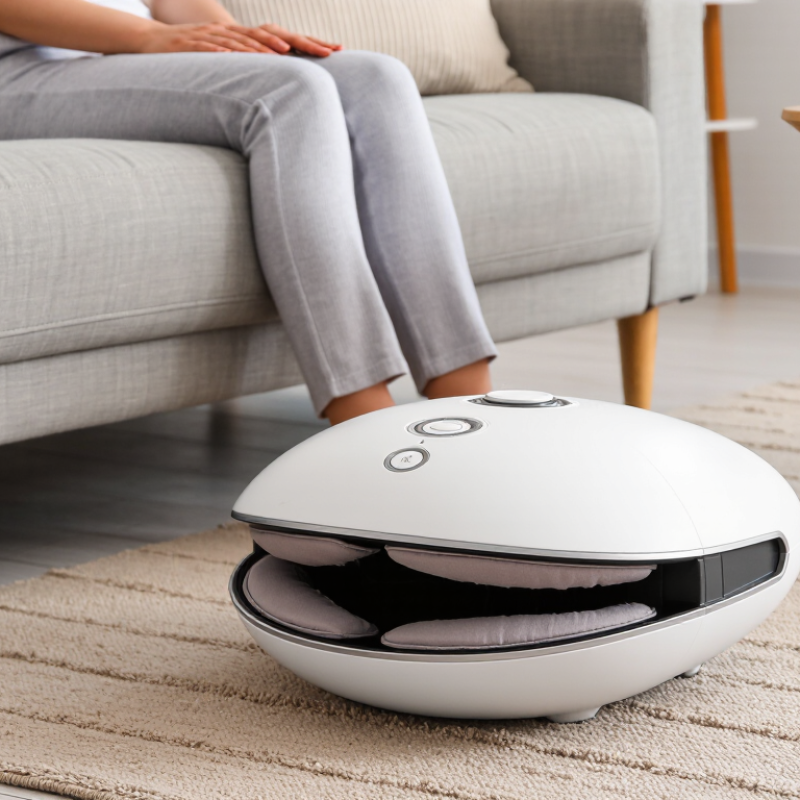
Defining a Compact Foot Massager
Defining a Compact Foot Massager
“Compact” has no universal industry size standard for foot massagers. In practical terms, it describes a unit that fits beneath a desk or beside a chair, stores easily, and still accommodates the user’s feet without forcing an awkward position. Measure the available floor space before buying. A device that looks small online can feel bulky beside a narrow sofa. The boundary is a little fuzzy.
Size alone is not enough. Check the product’s stated weight, cord reach, opening width, and cleaning instructions. A lighter model may be easier to move, but an overly tight foot opening can make sessions uncomfortable. The American Podiatric Medical Association’s 2014 Public Opinion Research found that 77% of surveyed Americans had experienced foot problems. That figure describes reported experiences; it does not prove that massage devices prevent or treat those problems.
For persistent pain, numbness, swelling, or reduced sensation, ask a qualified health professional before using heat or compression. A useful compact design should offer stable placement, simple controls, and enough room for relaxed feet—not just a smaller shell. I would still test the fit when possible.
FAQS
It usually fits beneath a desk or beside a chair and stores easily. There is no universal size standard. Measure your floor space before choosing.
Check the unit’s dimensions, weight, cord reach, and foot-opening width. Leave room to slide your feet in and out. A narrow gap can feel awkward.
They may use rollers, kneading nodes, vibration, or air chambers. Rollers can move beneath the arches, while air chambers gently squeeze and release. The sensation varies.
Compare the opening width with your foot size and shape. Try the fit when possible. Wider feet may feel pressed by a tight opening.
Sit down, place both feet evenly, and choose the lowest setting. Try a few minutes first. Increase pressure only if it feels comfortable.
Warmth is generally a comfort feature, not a treatment. Stop if you feel sharp discomfort, numbness, or lasting redness. That detail is easy to overlook.
Ask a qualified health professional before using heat or compression. Persistent pain, swelling, numbness, or reduced sensation deserves careful attention. I would not guess here.
Look for simple controls, a stable base, manageable noise, and easy cleaning. A removable cover may help. Check storage space too; bulky devices can end up unused.