What is At Home Medical Care for Elderly and Disabled Individuals
At Home Medical care has emerged as a vital solution for elderly and disabled individuals, providing essential support in the comfort of their homes. According to a report by the World Health Organization, the global population aged 60 years and older is projected to reach 2 billion by 2050, highlighting the growing demand for effective healthcare solutions tailored to this demographic. As traditional healthcare systems face increasing strains, At Home Medical services offer personalized care options that enhance the quality of life for patients while reducing the burden on caregivers and healthcare facilities.

In the United States, the Centers for Medicare and Medicaid Services (CMS) has reported a significant rise in the utilization of home health care services, which is expected to continue as the aging population expands. A study by IBISWorld indicates that the home healthcare industry is projected to reach $175 billion in revenue by 2026, primarily driven by the increasing recognition of At Home Medical care as an effective alternative to hospital stays for chronic illness management, rehabilitation, and personal assistance. This shift towards home-based care underscores the importance of integrating comprehensive medical and supportive services into individuals' home environments, ensuring they receive the quality care they deserve while fostering independence and dignity.
Understanding At Home Medical Care: Definition and Scope
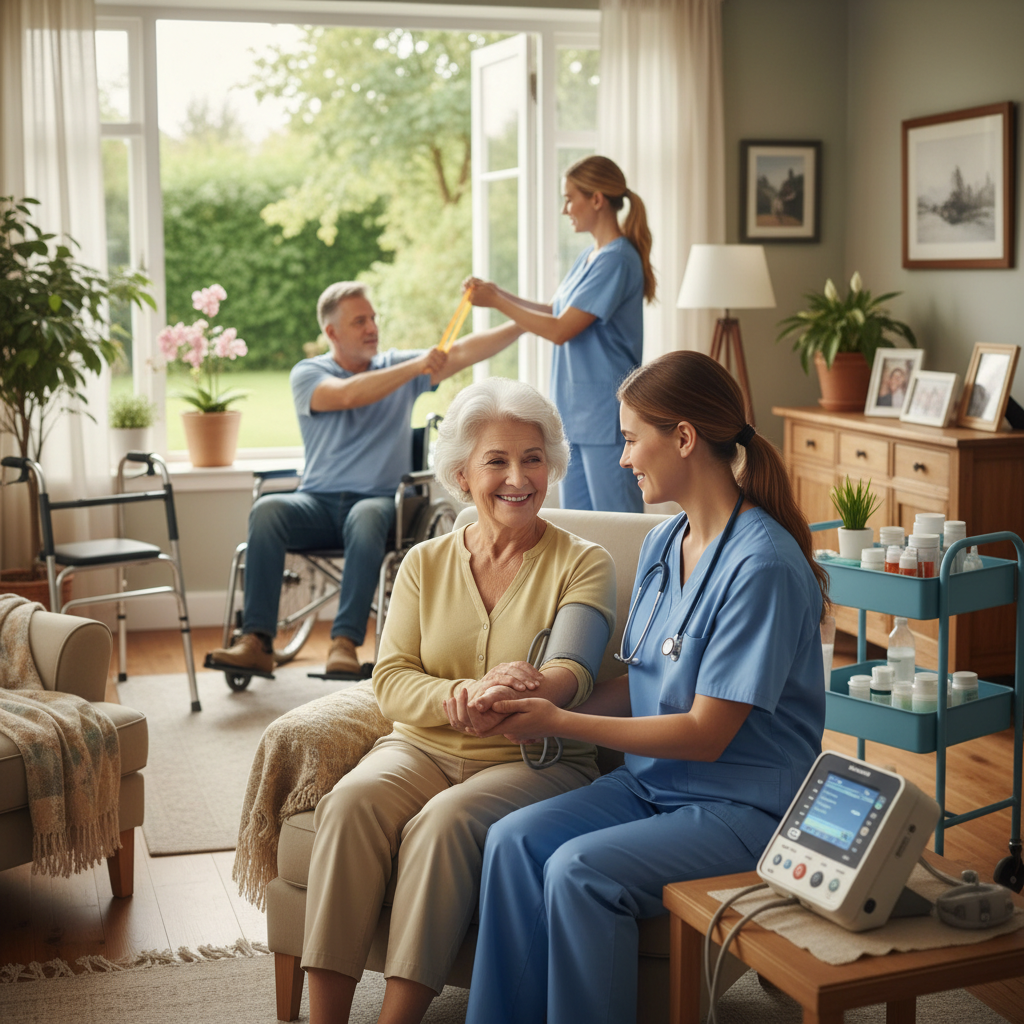
At home medical care for elderly and disabled individuals encompasses a wide range of health services provided in the comfort of a patient's home. This approach aims to promote independence and enhance the quality of life for those who may have difficulty accessing traditional healthcare settings. Services can include skilled nursing, physical therapy, and assistance with daily living activities. The primary goal is to ensure that patients receive comprehensive care tailored to their specific needs while minimizing the stress of travel and hospital visits.
Tips for Families: When considering at home medical care, it’s essential to conduct thorough research on service providers. Look for accredited agencies and seek recommendations from healthcare professionals. Additionally, discuss the specific needs of your loved one with potential caregivers to ensure a good fit.
Furthermore, effective communication between family members and caregivers is crucial for the success of at home medical care. Regular check-ins can keep everyone informed about the patient’s progress and any changes in their condition. Encourage open dialogue about expectations and concerns to foster a collaborative environment that prioritizes the well-being of the individual receiving care.
Industry Statistics: Growing Demand for Home Care Services by 2025
As the population ages and the prevalence of disabilities increases, the demand for home care services is expected to grow significantly by 2025. According to industry statistics, the home care sector is projected to expand at an unprecedented rate, driven by both demographic shifts and a rising preference for aging in place. A substantial percentage of older adults and individuals with disabilities prefer receiving care in the comfort of their own homes rather than in traditional healthcare facilities. This trend underscores the importance of accessible and affordable home medical care tailored to meet the unique needs of these individuals.
The increased demand for home care services not only highlights the necessity of skilled caregivers but also emphasizes the need for innovative solutions that can enhance the quality of care. As families seek to maintain their loved ones' independence, the home care industry is evolving to incorporate technology, such as telehealth services and remote monitoring, which can significantly improve patient outcomes. With a growing workforce and advancements in healthcare delivery, the industry is well-positioned to address the challenges faced by elderly and disabled individuals, ensuring they receive the support they need while remaining in their familiar environment.
Growing Demand for Home Care Services by 2025
The following bar chart illustrates the projected growth in the demand for home medical care services for elderly and disabled individuals from 2021 to 2025. The data reflects the increasing need for home care services as the population ages and the preference for in-home care options rises.
Essential Services Provided in At Home Medical Care for Elderly Clients
At home medical care caters specifically to elderly and disabled individuals, providing essential services that promote both health and independence. This type of care includes skilled nursing, personal care, and therapy services. According to the National Institute on Aging, nearly 90% of seniors prefer to age in place, making at home medical care a crucial component of their support system. In-home nurses or caregivers can assist with medication management, wound care, and monitoring vital signs, ensuring that elderly clients receive appropriate medical attention without needing to relocate to a facility.
In addition to nursing services, personal care is a vital aspect of in-home medical care. This includes assistance with daily activities such as bathing, dressing, and meal preparation. The U.S. Department of Health and Human Services reports that over 50 million Americans are providing unpaid caregiving support to their elderly loved ones, highlighting the demand for professional services that alleviate caregiver burden.
Tips: When considering at home medical care, evaluate the specific needs of the individual. Communication is key; maintain a dialogue with healthcare providers to ensure all services are personalized. Additionally, regular assessment of care effectiveness can help identify areas for improvement, ensuring that the elderly client's well-being remains the top priority.
Technological Innovations Enhancing At Home Care for Disabled Individuals
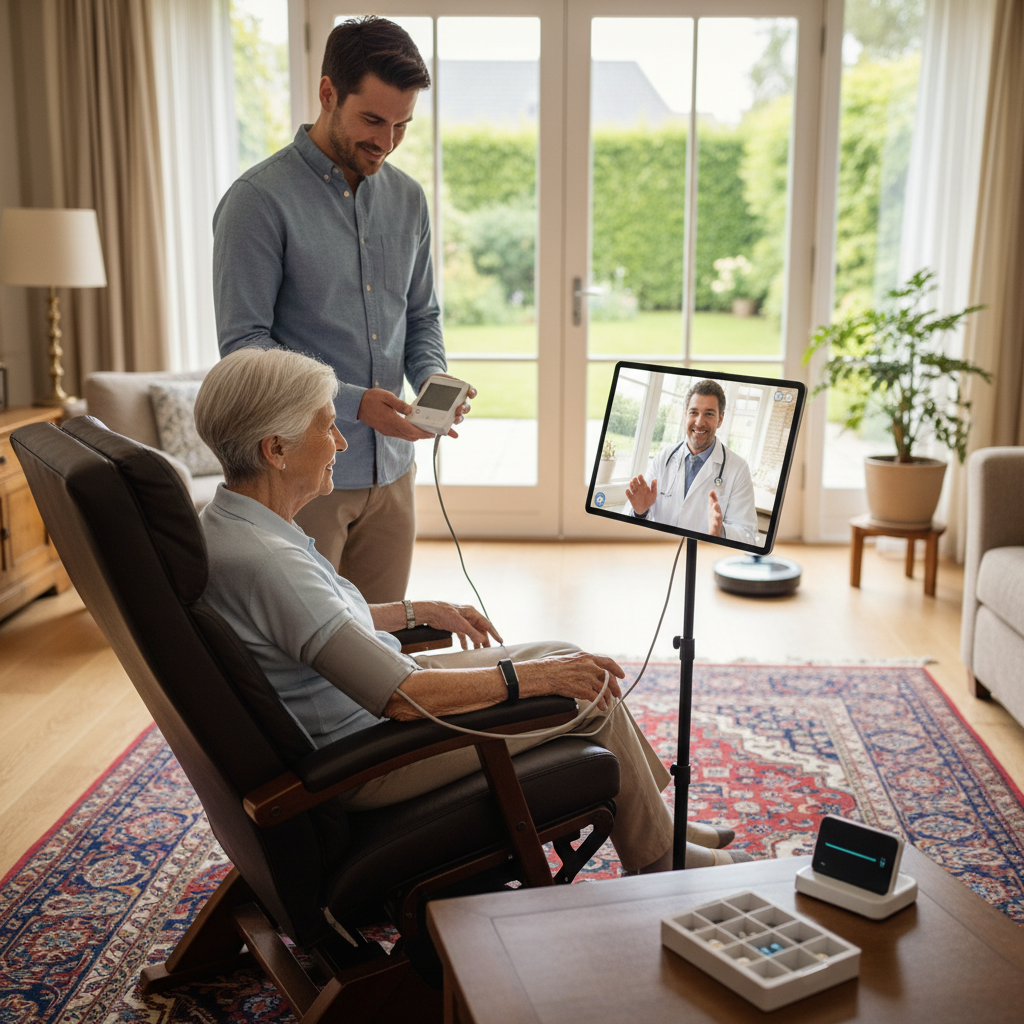
The landscape of at home medical care for elderly and disabled individuals has transformed significantly with the advent of technological innovations. These advancements play a critical role in enhancing the quality of care provided in the comfort of one's home. For example, telemedicine platforms now allow patients to connect with healthcare providers remotely, enabling routine check-ups and consultations without the need for physical travel. This not only increases accessibility for those with mobility issues but also helps in timely intervention and management of chronic conditions.
Additionally, wearable devices and health monitoring systems have emerged as vital tools for home care. These technologies enable continuous tracking of vital signs such as heart rate, blood pressure, and glucose levels, alerting caregivers and medical professionals to any potential health concerns instantaneously. Smart home devices with integrated safety features, such as fall detection and emergency response systems, further bolster the security and independence of elderly and disabled individuals. By harnessing these innovations, at home medical care can provide a personalized, responsive approach to health management, ultimately enhancing the quality of life for those who require assistance.