2026 Top Home Medical Equipment Trends for Global Buyers?
The landscape of Home Medical Equipment is evolving rapidly. As we look toward 2026, global buyers need to stay informed about the latest trends shaping this sector. Innovative technologies are emerging, enhancing patient care and independence. Medical devices are becoming smarter, integrating IoT and AI, which provide real-time data for better health management.
The demand for Home Medical Equipment is increasing. This shift reflects a larger trend in patient preferences for home-based care. Manufacturers are responding by developing products that are user-friendly and effective. However, not all products meet high standards. Buyers must navigate potential pitfalls in quality and efficacy.
Investing in the right Home Medical Equipment is crucial. It's vital to consider not only the features but also the provider’s reputation. More information can help buyers make informed decisions. In a rapidly changing market, awareness of these trends is essential for success. Understanding the challenges is equally important. It allows buyers to critically evaluate their options.
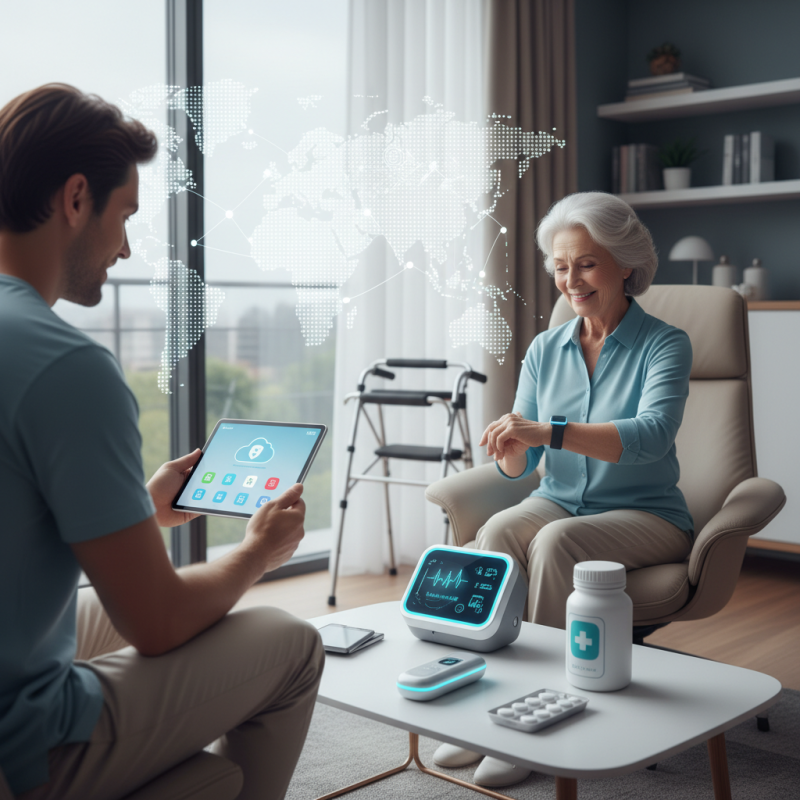
Emerging Technologies in Home Medical Equipment for 2026
As we look towards 2026, the landscape of home medical equipment is evolving rapidly. Emerging technologies promise to enhance patient care and improve accessibility.
Smart devices are at the forefront of this change. They leverage artificial intelligence and machine learning to provide real-time health monitoring. Patients can wear these devices to track their vital signs effortlessly.
Telehealth is another significant trend. With advanced video conferencing tools, healthcare becomes more accessible. Patients can consult with doctors from the comfort of their homes. However, not everyone has reliable internet access, which poses a challenge. It's vital to ensure equitable solutions for remote areas.
Moreover, automation in home medical equipment is gaining traction. Robotic assistants can help with daily tasks and mobility. Although these technologies can improve quality of life, they raise ethical questions. How much autonomy should machines have in caring for vulnerable populations? Each innovation offers benefits but requires careful consideration and reflection.
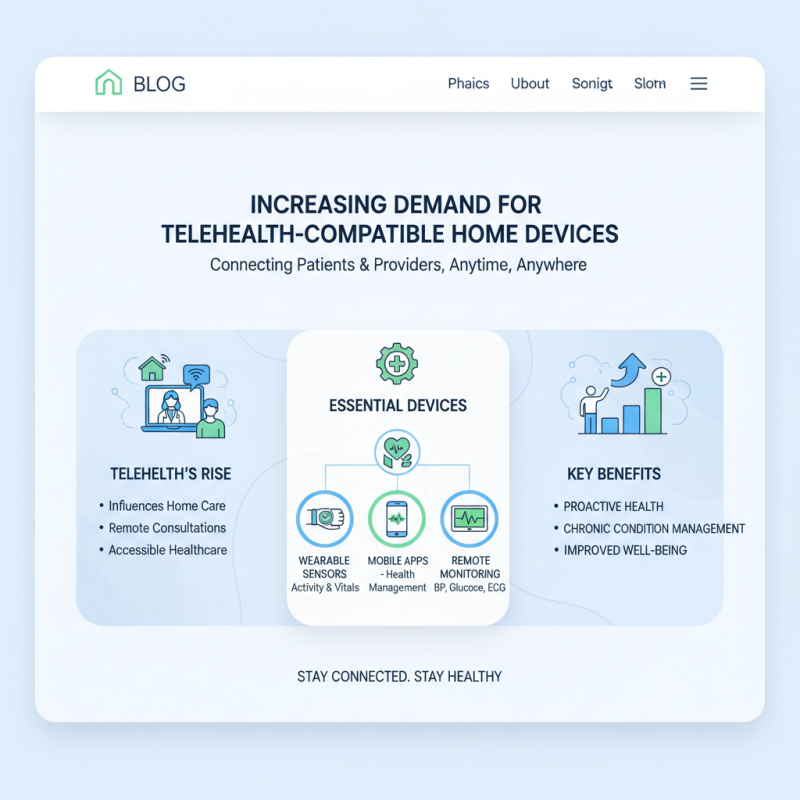
Increasing Demand for Telehealth-Compatible Home Devices
The rise of telehealth has significantly influenced home medical equipment trends. Telehealth-compatible devices are becoming more common in households. These devices allow patients to connect with healthcare providers from their homes. Remote monitoring tools, wearable sensors, and mobile apps are becoming essential. They help track vital signs and manage chronic conditions effectively.
However, the integration of these technologies is not without challenges. Some users struggle with the complexity of these devices. A steep learning curve may discourage older adults, who are often the target demographic. This highlights the need for user-friendly designs. Improving accessibility is crucial for wider adoption.
Moreover, data security remains a significant concern. Patients want assurance that their health information is safe from breaches. Companies must prioritize robust security measures. Trust is essential in promoting telehealth services. Striking a balance between functionality and safety will define the future of home medical equipment.
Advancements in Wearable Health Monitoring Solutions
The landscape of wearable health monitoring solutions is rapidly evolving. By 2026, the global market for wearable medical devices is projected to reach $60 billion. This notable growth reflects increased demand for remote monitoring and personalized health management. Wearable devices offer real-time data on vital signs, such as heart rate and blood pressure, empowering individuals to take charge of their health.
Innovative technologies are driving advancements in this sector. For instance, companies are investing significantly in sensor technology and artificial intelligence. Reports suggest that over 75% of patients prefer wearable devices for ongoing health monitoring, citing convenience and accessibility as key benefits. However, uneven data accuracy remains a concern. Consumers need reliable information to make informed health decisions. Not all wearables provide consistent results, and this highlights the need for rigorous validation in these devices.
Moreover, integration with healthcare systems poses challenges. While wearables provide valuable data, interoperability with existing health records is often lacking. This gap can hinder the seamless sharing of critical information among healthcare providers. As the industry progresses, addressing these issues will be crucial to enhancing the reliability and effectiveness of wearable health technologies.
2026 Top Home Medical Equipment Trends for Global Buyers
| Trend |
Description |
Projected Impact (%) |
Consumer Adoption Rate (%) |
| Wearable ECG Monitors |
Compact devices for continuous heart monitoring. |
45% |
60% |
| Smart Medication Dispensers |
Automated systems for medication management. |
40% |
50% |
| Remote Patient Monitoring Devices |
Devices enabling health data sharing between patients and providers. |
50% |
70% |
| Sleep Apnea Wearables |
Devices designed for tracking and managing sleep disorders. |
35% |
55% |
| Health Tracking Smartwatches |
Watches that monitor vital signs and health metrics. |
55% |
75% |
The Role of AI and Machine Learning in Future Home Healthcare Devices
The integration of AI and machine learning in home healthcare devices is transforming patient care. Industry reports suggest that the market for AI-enabled healthcare applications is projected to reach USD 120 billion by 2028. This is a significant leap from just USD 4 billion in 2019. Such advancements indicate that technology's potential to enhance home healthcare is enormous.
Remote patient monitoring devices now leverage AI to analyze real-time health data. These systems can predict health deteriorations, allowing for timely interventions. For example, a device can alert caregivers if a patient's vitals fall outside normal ranges. This capability is crucial, especially for elderly patients who might not recognize changes in their health.
Despite these advancements, challenges remain. Data privacy and security concerns are significant issues. Further, not all patients may be comfortable using high-tech devices. There is a learning curve associated with new technologies. Ongoing education and support will be essential to mitigate these barriers. Implementing AI in home healthcare is a step forward, but it requires careful consideration of its implications.