2026 Best Surgical Supplies for Enhanced Health and Safety
The importance of high-quality Surgical Supplies cannot be overstated in today's healthcare landscape. According to the World Health Organization, unsafe surgical practices contribute to over 7 million deaths annually. Efficient and reliable surgical supplies can significantly reduce complications and enhance patient safety.
In recent years, the demand for improved surgical equipment has surged. A report by MarketsandMarkets predicts that the global surgical supplies market will reach over $200 billion by 2026. This growth emphasizes the need for innovation and stringent quality control in manufacturing surgical supplies.
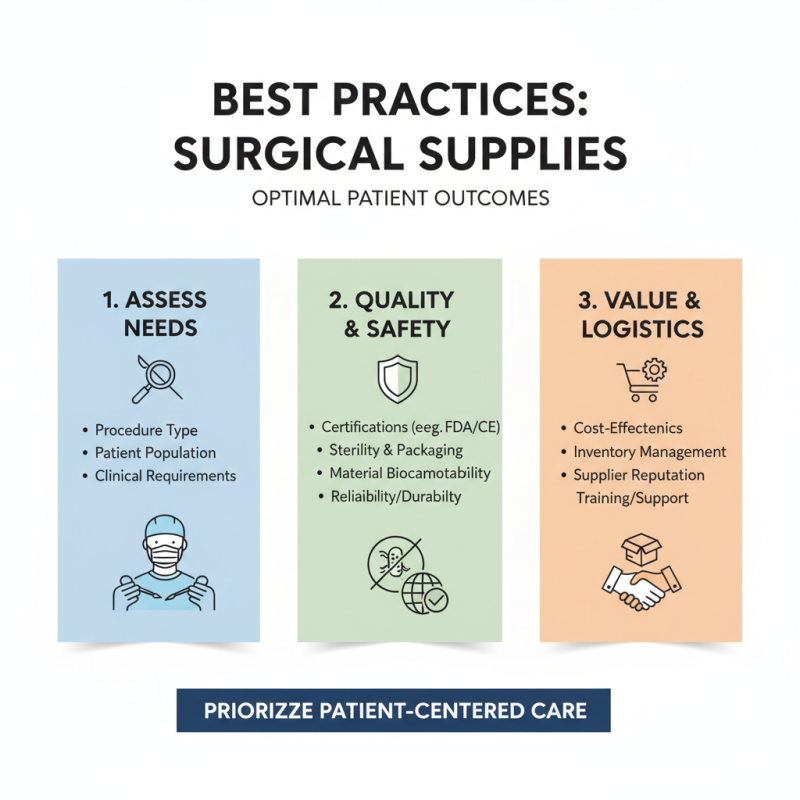
However, not all products meet the high standards necessary for effective patient care. Inadequate supplies can lead to surgical delays and increased infection rates. It is crucial for healthcare providers to critically evaluate the supplies they use. Enhanced scrutiny can ensure that only the best surgical supplies enhance health and safety in surgical environments.

Overview of Surgical Supplies for Enhanced Health and Safety
In the fast-evolving landscape of healthcare, the choice of surgical supplies plays a critical role in ensuring safety and enhancing patient outcomes. Surgical gloves, for instance, are now made from various materials, each providing different levels of sensitivity and barrier protection. The right glove can help prevent the transmission of infections and ensure a sterile field. However, even the best gloves can fail if not fitted properly. Regular training on proper use and awareness of wear and tear is essential for maintaining safety.
Another key area is surgical drapes and barriers. They serve to create a sterile environment during procedures. Selecting high-quality materials is essential, but not foolproof. Unexpected tears or compromises can occur, highlighting the importance of thorough checks before every operation. Additionally, staff must consistently evaluate their processes and materials. Are we adhering to the latest guidelines for maintaining sterility? Addressing these questions fosters a culture of safety, encouraging teams to remain vigilant.
Instruments play a vital role, too. Surgical tools should be reliable and easy to use. Each instrument must undergo regular maintenance and sterilization. Yet, even the best instruments require constant diligence. Teams should regularly participate in training sessions that encompass both technique and material handling. This awareness can prevent mishaps, ensuring that every operation proceeds smoothly. In an industry where excellence is crucial, ongoing reflection on the quality of surgical supplies will ultimately lead to better health outcomes.
Key Features of Surgical Supplies in 2026
In 2026, surgical supplies are designed with enhanced health and safety in mind. One key feature is advanced sterilization technology. This reduces the risk of infections significantly. Hospitals are increasingly using disposable items to ensure a sterile environment. These supplies must meet rigorous standards. Quality control remains paramount.
Another important aspect is user-friendly design. Surgical instruments are being created for ease of use. Ergonomic handles contribute to better control during procedures. This thoughtful design minimizes hand fatigue, leading to improved precision. Packaging also plays a role, ensuring supplies are easy to open while maintaining sterility.
While advancements are notable, challenges remain. Not every facility can afford the latest technologies. Disparities in access to high-quality supplies are evident in various regions. Continuous education for healthcare providers is crucial. It ensures that they are updated on the best practices and products available. The ongoing evolution of surgical supplies requires constant attention and reflection on practices.
2026 Best Surgical Supplies for Enhanced Health and Safety
| Item |
Key Features |
Material |
Usage |
Safety Standards |
| Surgical Gloves |
Latex-free, high barrier protection |
Synthetic Material |
General Surgery |
ASTM D6319 |
| Surgical Masks |
3-layer filtration, fluid resistant |
Non-woven Fabric |
Infection Control |
ASTM F2100 |
| Surgical Drapes |
Fluid impermeable, high tensile strength |
Polypropylene |
Operative Procedures |
ISO 13485 |
| Scalpel Blades |
Precision cutting, various sizes |
Stainless Steel |
Surgical Incisions |
ISO 9001 |
| Surgical Sutures |
Absorbable and non-absorbable options |
Silk, Vicryl |
Wound Closure |
USP Class VI |
Innovations in Surgical Instruments for Improved Patient Outcomes
Surgical instruments have undergone significant innovation in recent years. New designs help enhance precision during procedures and improve overall patient outcomes. For example, advanced robotics offer surgeons improved control and dexterity. These tools minimize invasiveness and lead to quicker recovery times.
The integration of smart technology into surgical tools also merits attention. Sensors can monitor vital signs in real time. This feature allows medical professionals to adjust techniques as needed. However, these advancements also introduce challenges. The reliance on technology can sometimes lead to error if systems fail. Maintaining a balance between innovation and traditional skills is crucial.
Sterilization methods are evolving as well. Enhanced materials and techniques reduce infection risk. Yet, there is still variability in how these methods are applied across different facilities. Continuous training and adherence to protocols are necessary for effective implementation. The journey towards better surgical instruments is promising, but it requires constant reflection and improvement.
2026 Best Surgical Supplies for Enhanced Health and Safety
The Role of Regulatory Standards in Surgical Supply Quality Assurance
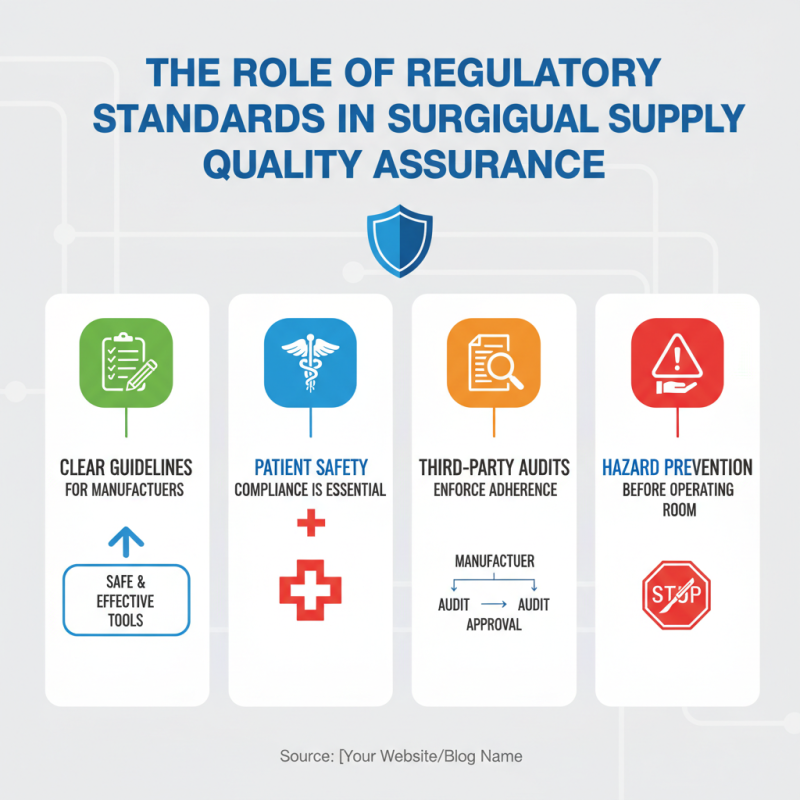
Regulatory standards play a crucial role in ensuring the quality of surgical supplies. These standards provide clear guidelines for manufacturers, helping them create safe and effective tools for healthcare professionals. Compliance with established norms is essential to maintain patient safety during surgical procedures. Organizations often rely on third-party audits to ensure adherence to these standards. Such oversight can help identify potential hazards in surgical supplies before they reach the operating room.
However, the application of these regulations can be inconsistent. Some manufacturers may find ways to bypass certain checks, raising concerns over product safety. This can lead to the distribution of subpar supplies, putting patients at risk. It is essential for the medical community to ensure that all surgical instruments are rigorously tested and certified. Increased transparency in production processes could create a more reliable system.
Moreover, education plays an important role in this framework. Healthcare professionals should be aware of the standards and the importance of quality assurance. Ongoing training on the latest guidelines ensures that surgical teams remain vigilant. This proactive approach fosters a culture of safety and accountability. Ultimately, everyone involved in healthcare must prioritize the integrity of surgical supplies for improved patient outcomes.