2025 Guide: How to Choose the Right Medical Equipment for Your Needs
Choosing the right medical equipment is a critical decision that can significantly impact patient care and the efficiency of healthcare providers. As the landscape of medical technology continues to evolve, understanding the various types of medical equipment available and selecting the right tools to meet your specific needs is more important than ever. In 2025, healthcare professionals, hospital administrators, and individual patients alike must navigate an increasingly complex market filled with innovative devices, each designed to enhance diagnosis, treatment, and overall health outcomes.
Medical equipment encompasses a wide range of devices, from diagnostic imaging tools to surgical instruments and home healthcare gadgets. With advancements in technology and a growing emphasis on patient-centered care, the selection process can be daunting. It is essential to consider factors such as functionality, ease of use, maintenance requirements, and compatibility with existing systems. This guide aims to provide clarity and guidance on how to make informed decisions when choosing medical equipment, ensuring that both healthcare providers and patients can access the tools they need for effective and quality care.
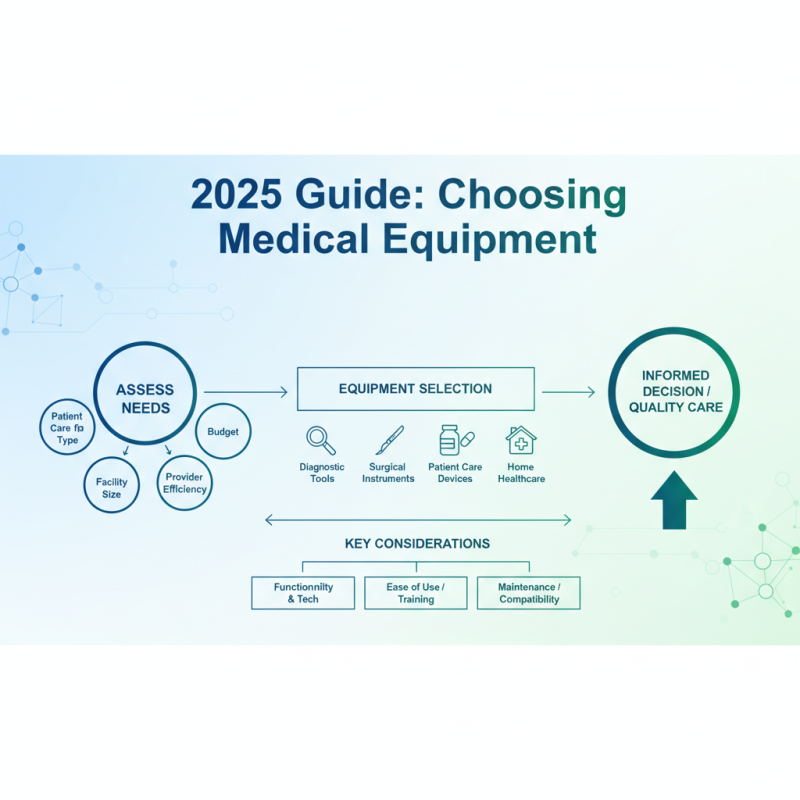
Understanding Your Medical Needs and Requirements
When selecting medical equipment, understanding your specific medical needs is essential to ensure optimal outcomes. The first step in this process is to conduct a comprehensive assessment of your health conditions and the necessary functions that the equipment must perform. According to the World Health Organization (WHO), tailored medical equipment significantly increases the effectiveness of treatment, as equipment not only facilitates patient care but also enhances the quality of life. Proper fit and function play a critical role—research shows that over 70% of patients reported improvements in their health after using appropriately selected medical devices.
Moreover, an evaluation of usability is vital. The National Institute of Health (NIH) emphasizes that equipment should not only be functional but also user-friendly to prevent complications arising from misuse. For instance, devices should offer intuitive interfaces, particularly for elderly patients or those with cognitive impairments. As per recent studies, nearly 60% of medical equipment failures can be traced back to improper use, highlighting the necessity for thorough training and clear instructions on device operation. Accessibility and ease of use can substantially reduce barriers to compliance and enhance treatment adherence, ultimately promoting better health outcomes.
2025 Guide: How to Choose the Right Medical Equipment for Your Needs
| Equipment Type |
Primary Use |
Key Features |
Considerations |
| Blood Pressure Monitor |
Monitor blood pressure levels |
Digital display, memory storage, Bluetooth connectivity |
Ease of use, accuracy, blood pressure standards |
| Glucose Meter |
Monitor blood glucose levels |
Fast results, USB connectivity, small sample size |
Cost of strips, ease of handling, accuracy |
| Pulse Oximeter |
Measure oxygen saturation in blood |
Portable, quick readings, bright display |
Comfort, battery life, clinical validation |
| Nebulizer |
Delivery of medication for respiratory conditions |
Compact size, quiet operation, easy to clean |
Type of medication used, frequency of use, maintenance |
| Thermometer |
Measure body temperature |
Digital display, memory function, fast measurement |
Type (oral, ear, forehead), ease of reading, calibration |
Evaluating Different Types of Medical Equipment Available
When it comes to choosing the right medical equipment for your needs, understanding the various types of equipment available is crucial.
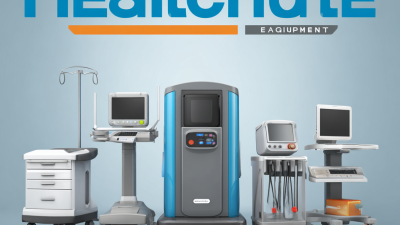
Medical equipment can be broadly categorized into diagnostic, therapeutic, and monitoring devices. Diagnostic tools like ultrasound machines and MRI devices help healthcare professionals identify and assess medical conditions, while therapeutic equipment such as infusion pumps and wheelchair aids are designed to facilitate treatment and enhance patient mobility. Each category serves a unique purpose and can greatly impact patient outcomes, making it essential to evaluate their features and suitability for specific applications.
Additionally, when evaluating medical equipment, it's important to consider factors such as functionality, ease of use, and compatibility with existing systems. For instance, some diagnostic devices offer advanced imaging capabilities, while others may prioritize portability and user-friendliness. Furthermore, accessibility features are vital in ensuring that the equipment meets the diverse needs of patients and caregivers. By thoroughly examining these aspects, healthcare providers can make informed decisions that align with their operational requirements and improve the overall quality of care offered to patients.
Assessing Quality and Reliability of Medical Equipment Brands
When selecting medical equipment, the assessment of quality and reliability is paramount. High-quality medical devices ensure not only the effectiveness of treatments but also the safety of patients. One of the key factors in evaluating equipment is understanding the manufacturing processes and materials used.
Reputable manufacturers typically adhere to strict regulatory standards and conduct extensive testing to validate the durability and performance of their products. Moreover, customer reviews and testimonials can provide valuable insights into the real-world performance and longevity of the equipment.
In addition to evaluating the technical specifications, it’s essential to consider the reputation of the brand in the healthcare community. Organizations that consistently receive positive feedback from healthcare professionals are often a reliable source for high-quality medical equipment. Furthermore, warranties and after-sales support can indicate a manufacturer's confidence in their product. Engaging with peer assessments and consultative feedback from end-users can further enhance your decision-making process by providing firsthand experiences that highlight any potential issues or benefits associated with specific equipment choices.
Budgeting and Financing Options for Medical Equipment Purchases
When it comes to investing in medical equipment, budgeting and financing options play a crucial role in making informed decisions. Before making a purchase, it’s essential to set a realistic budget that encompasses not only the upfront costs of the equipment but also any ongoing operational expenses. This includes maintenance, training, and potential upgrades, which can add up significantly over time. A thorough assessment of your financial situation and needs will help you determine what you can afford and prioritize your purchases accordingly.
Exploring various financing options can further alleviate the financial burden. Many healthcare providers opt for financing plans, which allow them to spread the cost of equipment over several months or years. Leasing is another popular choice, enabling facilities to use the equipment without a large initial investment while keeping the latest technology at their disposal. Additionally, some organizations may qualify for grants or programs designed to support the acquisition of medical equipment. By utilizing these budgeting strategies and financing avenues, healthcare practitioners can secure the necessary tools to provide quality care while remaining financially mindful.
Maintenance and Support Considerations for Medical Equipment Usage
When selecting medical equipment, maintenance and support are pivotal factors that can greatly influence the effectiveness and longevity of the devices. Regular maintenance ensures that equipment operates at optimal levels, reducing the risk of unexpected failures during critical moments. It is essential to establish a maintenance schedule based on the manufacturer's recommendations and the frequency of use. This might include routine inspections, calibration, and replacement of worn components. By prioritizing upkeep, healthcare facilities can enhance patient safety and improve overall operational efficiency.
In addition to maintenance, having robust support mechanisms in place is crucial. This encompasses technical support, user training, and easy access to replacement parts. When staff are well-trained, they can handle equipment correctly, minimizing the chance of errors that could compromise patient care. Furthermore, access to reliable support services means that any technical issues can be resolved quickly, avoiding prolonged downtimes that can impact patient outcomes. Investing in comprehensive maintenance and support frameworks not only prolongs the life of medical equipment but also strengthens the overall quality of care provided to patients.
2025 Guide: How to Choose the Right Medical Equipment for Your Needs
This chart presents the comparative analysis of various medical equipment types based on their maintenance costs and support requirements.